


 0











Leucine for Muscle Protein Synthesis: Dose and Timing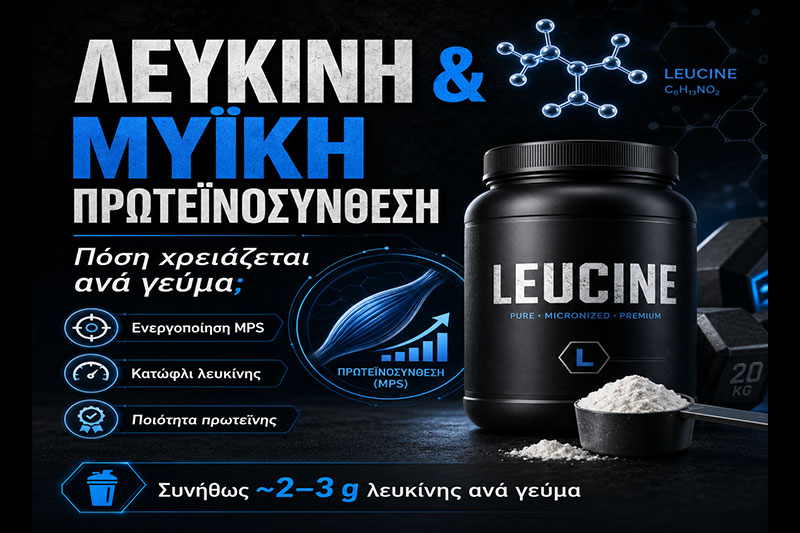 What is leucine?Leucine is an essential branched-chain amino acid. It acts as a nutritional signal that activates mTORC1, an important pathway involved in initiating muscle protein synthesis. Leucine can activate the process, but all essential amino acids are required to build complete muscle proteins. Standalone leucine is therefore not equivalent to complete protein or a full EAA formula. How much leucine is needed?A practical target is approximately 2–3 g of leucine within a complete protein meal. ISSN guidance suggests that each protein serving should provide approximately 700–3,000 mg of leucine, together with all EAAs. This can generally be achieved through:
The leucine threshold is not an absolute switch. Total protein, food source, age, exercise and the availability of other amino acids also influence the muscle protein synthesis response. When is supplementation useful?Standalone leucine may be more relevant when:
A complete protein supplement is generally more useful when overall protein intake is low. Older adults may require a larger protein and leucine dose per meal because of anabolic resistance. However, a meta-analysis of 17 trials found that isolated leucine did not consistently improve lean mass or strength. Better results occurred in combined interventions containing protein, vitamin D or exercise. Timing and exercise recoveryLeucine does not need to be consumed within minutes of training. The main priorities are adequate total daily protein and a complete protein meal relatively close to exercise. A trial using 6 g of free leucine per day did not improve recovery after resistance exercise in young adults. Additional leucine is unlikely to provide substantial benefit when dietary protein is already sufficient. SafetyThere is no officially established European upper intake level for isolated leucine. Supplements commonly provide 2–5 g per serving, but larger amounts do not necessarily produce greater muscle growth. Possible adverse effects include nausea, digestive discomfort and diarrhoea. People with kidney or liver disease, amino-acid metabolism disorders, pregnancy or breastfeeding should seek professional advice. ConclusionLeucine is an important trigger for muscle protein synthesis, but it cannot build muscle without the remaining essential amino acids. A practical strategy is to obtain approximately 2–3 g of leucine from a meal containing 20–40 g of complete protein. Total daily protein and resistance training remain more important than isolated leucine supplementation. References
|

Best supplements store
CHOOSE CATEGORY
CATEGORIES










(c) katerelosfitness.gr - All rights reserved - By: Hyper Center -