


 0





Alpha-Lipoic Acid: Glucose, Antioxidants and Exercise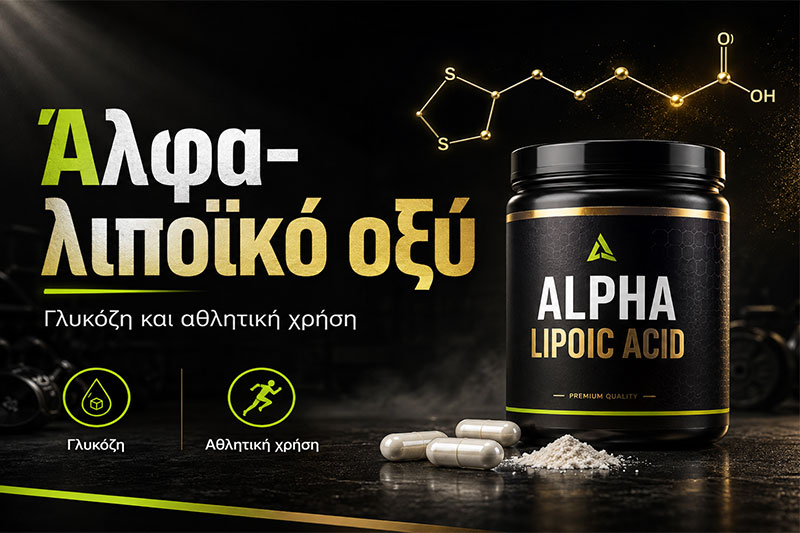 Alpha-Lipoic Acid: Glucose, Antioxidant Activity and Athletic UseAlpha-lipoic acid, also known as lipoic acid or thioctic acid, is a naturally occurring sulphur-containing compound. It acts as a cofactor in mitochondrial enzyme complexes involved in converting nutrients into usable energy. It has also been studied for its antioxidant properties and potential effects on glucose metabolism, insulin sensitivity, diabetic peripheral neuropathy and exercise recovery. However, current evidence does not support all of the performance, fat-loss and metabolic claims commonly associated with ALA supplements. Alpha-lipoic acid should not be confused with alpha-linolenic acid. Although both may be abbreviated as ALA, alpha-linolenic acid is an essential omega-3 fatty acid and is a completely different substance. What is alpha-lipoic acid?Alpha-lipoic acid is produced in small quantities by the body and is primarily attached to proteins within mitochondria. Its naturally occurring form is the R-enantiomer. Supplements may contain:
Different formulations may vary in stability, absorption and pharmacokinetics. Greater bioavailability, however, does not automatically prove greater clinical effectiveness. Absorption and bioavailabilityOrally administered alpha-lipoic acid is absorbed rapidly, but its absolute bioavailability is limited and variable. Human pharmacokinetic studies have estimated the bioavailability of conventional racemic ALA at approximately 30%, largely because of extensive first-pass liver metabolism. Absorption may be influenced by the formulation, food intake, timing and individual metabolic differences. Food sourcesSmall quantities of lipoic acid occur in foods such as:
Food-derived lipoic acid is mainly protein-bound, and dietary quantities are substantially lower than the supplemental amounts used in clinical trials. No recommended daily intake has been established because alpha-lipoic acid is produced by the body and is not classified as an essential vitamin. Antioxidant activityAlpha-lipoic acid can be reduced to dihydrolipoic acid. This redox pair has been studied for its interaction with reactive oxygen species and endogenous antioxidant systems. Potential mechanisms include:
These mechanisms are biologically plausible, but laboratory and animal findings do not necessarily demonstrate a meaningful clinical benefit in healthy people. Exercise-induced oxidative stressExercise temporarily increases reactive oxygen species. Excessive production can contribute to cellular damage, but moderate redox signalling is also involved in normal adaptations to training. Completely suppressing the exercise-induced oxidative response is therefore not necessarily desirable. There is insufficient evidence to determine whether long-term, high-dose ALA supplementation improves or interferes with adaptations to different forms of training. Alpha-lipoic acid and glucose metabolismALA has been investigated for potential effects on glucose transport and insulin signalling. Experimental research suggests that it may influence:
These potential mechanisms do not establish ALA as a treatment for diabetes, and it should not replace prescribed medication, nutrition or exercise. Evidence in type 2 diabetesSome meta-analyses have reported statistically significant changes in fasting glucose, insulin resistance, HbA1c, lipids or inflammatory markers. However, results are inconsistent. A systematic review and dose-response meta-analysis concluded that although some changes reached statistical significance, the overall effects on cardiometabolic risk factors in type 2 diabetes were not clinically important. ALA should therefore be regarded as an investigational adjunct rather than a substitute for established diabetes management. Risk of low blood glucoseALA may affect glucose metabolism. Combining it with insulin or glucose-lowering medication may increase the risk of hypoglycaemia. Possible symptoms include:
People using diabetes medication should not alter their treatment because they have started an ALA supplement. Diabetic peripheral neuropathyALA has been studied for symptoms including burning, pain, numbness and tingling associated with diabetic peripheral neuropathy. Some systematic reviews report potential symptom improvements, while others highlight substantial variation between trials and uncertainty regarding long-term clinical benefit. Diabetic neuropathy requires medical assessment and appropriate glucose management. It should not be self-treated exclusively with dietary supplements. Body weight and fat lossALA is sometimes included in weight-management and fat-loss formulas. Earlier meta-analyses reported small reductions in body weight and body mass index. The average effect was modest and does not justify describing ALA as a powerful weight-loss supplement. A more recent meta-analysis found no significant effect on body weight or body mass index. ALA does not replace a calorie deficit, sufficient protein intake, resistance training, aerobic activity, sleep and long-term dietary adherence. Athletic performanceAlpha-lipoic acid is not an established ergogenic supplement. Human studies involving trained athletes are limited and usually include small samples. A randomised, double-blind crossover study involving 17 trained men reported some indications of reduced muscle damage and inflammation during an intensive training week. However, a clear antioxidant effect was not observed, and the researchers stated that additional research was required. A more recent randomised trial involving 41 trained cyclists found that four weeks of acetyl-L-carnitine combined with 300 mg of ALA did not improve aerobic or anaerobic performance, despite reducing post-exercise blood lactate. Current evidence does not demonstrate that ALA reliably increases:
Exercise recoverySmall studies have examined ALA in relation to muscle-damage markers, inflammation, oxidative stress and recovery of strength. A study involving 16 physically active men reported changes in inflammatory and redox responses following 1,200 mg per day for ten days. The small sample and high experimental dose limit the ability to generalise the findings. ALA cannot currently be regarded as an established recovery supplement. Protein, total energy, carbohydrates, hydration, sleep and training-load management remain substantially more important. TimingNo optimal timing protocol has been established for sports use. There is insufficient evidence that taking ALA immediately before or after training improves performance, glycogen restoration or recovery in healthy athletes. Quantities used in researchClinical studies have commonly used quantities ranging from:
These are examples from clinical studies, not general dosage recommendations. No official daily requirement or tolerable upper intake level has been established. General safetyA meta-analysis of 71 randomised placebo-controlled trials found no overall increase in treatment-emergent adverse events with ALA compared with placebo. Clinical trials, however, may not detect extremely rare reactions or risks affecting genetically susceptible individuals. Possible adverse effects include:
Insulin autoimmune syndromeThe most important specific safety concern is insulin autoimmune syndrome, also known as Hirata disease. This rare condition involves the formation of antibodies against insulin and may cause recurrent hypoglycaemia. EFSA concluded that ALA intake may increase the risk of insulin autoimmune syndrome in genetically susceptible individuals. It was not possible to identify an intake below which this risk could be excluded. The European Commission has initiated a formal assessment procedure concerning ALA in food supplements because of this potential health risk. Who requires additional caution?Professional advice is particularly important for:
Health claimsEFSA has evaluated proposed claims concerning ALA and glucose maintenance, lipid oxidation, cholesterol, oxidative protection and nervous-system function. The available evidence did not establish the required cause-and-effect relationships for these claims. Commercial descriptions should avoid statements such as:
ConclusionAlpha-lipoic acid is an endogenous mitochondrial cofactor that has been investigated for antioxidant activity, glucose metabolism, diabetic neuropathy and exercise recovery. Some studies report small improvements in glycaemic, inflammatory or neuropathy-related outcomes. Findings remain inconsistent and are often not clinically important. Evidence in athletes is limited. ALA has not been shown to reliably improve strength, endurance, muscle growth or overall sports performance. Additional caution is required for people using glucose-lowering medication and because of the rare but serious risk of insulin autoimmune syndrome in genetically susceptible individuals. Frequently asked questionsDoes alpha-lipoic acid lower blood glucose?It may produce small changes in certain glucose-related markers, but results are inconsistent. It should not replace diabetes medication, nutrition or exercise. Is it suitable for people with diabetes?Only with professional guidance. It may interact with insulin or other glucose-lowering medication and increase the risk of hypoglycaemia. Does it support weight loss?Some studies report small reductions, while others show no significant effect. It is not a reliable or powerful fat-loss supplement. Does it improve athletic performance?There is insufficient evidence that it improves strength, endurance, speed or power. Does it improve recovery?Small studies suggest possible effects on muscle-damage or inflammatory markers, but the evidence is insufficient for ALA to be considered an established recovery supplement. Is R-ALA better?R-ALA is the naturally occurring form and may have different pharmacokinetics. It has not been established that every R-ALA product provides greater clinical benefits. Can it cause hypoglycaemia?Yes, particularly when combined with glucose-lowering medication. It has also been associated with the rare insulin autoimmune syndrome. References
|

Best supplements store
CHOOSE CATEGORY
CATEGORIES









(c) katerelosfitness.gr - All rights reserved - By: Hyper Center -