


 0




Shilajit and Exercise: Energy, Fatigue and Testosterone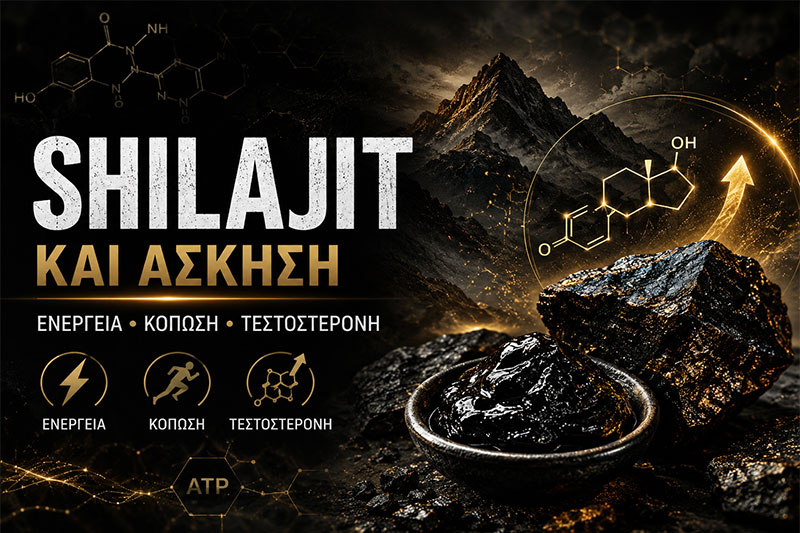 Shilajit, also known as Mumio, is a complex natural substance formed in mountainous rock formations. It contains organic compounds, including fulvic and humic components, together with mineral elements. Its precise composition varies according to its geographical origin and processing method. Human evidence concerning Shilajit remains limited. One study found a smaller fatigue-induced decline in isometric strength in a specific subgroup of young men, while another reported increased testosterone concentrations in men aged 45–55 years. These findings do not establish that Shilajit generally increases energy, muscle mass or athletic performance. The main human studies used the same standardized extract and were funded, at least in part, by its manufacturer. Does Shilajit Increase Energy?Shilajit is frequently promoted as a substance that supports energy production and mitochondrial function. These claims are based mainly on laboratory and animal research. There is insufficient clinical evidence demonstrating that Shilajit:
Its proposed effect on energy therefore remains theoretical and should not be presented as a confirmed human benefit. Shilajit, Muscle Fatigue and StrengthA double-blind, placebo-controlled study involved 63 recreationally active men with an average age of approximately 21 years. Participants received 250 mg, 500 mg of standardized Shilajit or placebo daily for eight weeks. In the complete sample, 500 mg was associated with a smaller decline in maximal isometric strength compared with 250 mg, but not with a clear improvement over placebo. When the researchers separately analysed the stronger half of the participants, the decline in isometric strength following the fatiguing protocol was 8.9% with 500 mg, compared with 17.0% with 250 mg and 16.0% with placebo. No significant between-group differences were found for the decline in concentric peak torque. This was a single study, and the positive comparison with placebo emerged from a subgroup analysis. The study was funded by the extract’s manufacturer. Independent replication is required before concluding that Shilajit reduces muscular fatigue. Keller et al., 2019 Does Shilajit Increase Testosterone?A randomized, double-blind study enrolled 96 healthy men aged 45–55 years, of whom 75 completed the protocol. Researchers administered 250 mg of standardized Shilajit twice daily for 90 days. At the end of the study, higher total testosterone, free testosterone and DHEA-S concentrations were reported compared with placebo. Pandit et al., 2016 The result requires careful interpretation:
An increase in a laboratory testosterone measurement does not automatically mean greater muscle growth, increased libido or improved performance. Skeletal Muscle and Connective TissueA small study involving 16 overweight or class I obese adults examined muscle biopsies before and after supplementation with 250 mg of Shilajit twice daily. After eight weeks, changes were observed in the expression of genes related to the extracellular matrix, collagen and skeletal-muscle structure. Participants then completed four additional weeks of supplementation combined with exercise. The study did not include a placebo group and did not demonstrate increased strength, muscle mass, collagen production or faster recovery. Changes in gene expression represent a mechanistic finding rather than a confirmed clinical benefit. Das et al., 2016 Does It Improve Athletic Performance?Based on the available evidence, Shilajit has not been shown to increase:
One potentially positive finding concerns the retention of isometric strength after fatigue, but it was limited to a subgroup from a single trial. Shilajit therefore cannot currently be considered a confirmed ergogenic supplement. Doses Used in ResearchThe principal human studies used purified and standardized extracts in the following amounts:
These amounts are research protocols rather than universal recommendations. Different extracts, powders and unprocessed forms should not be assumed to have the same composition or effects. Purity and SafetyPurified Shilajit was generally well tolerated in the small, short-term human studies. No adverse events were reported during the eight-week exercise trial. This does not establish long-term safety and cannot be applied to every available product. Origin and processing are particularly important. A 2025 analytical study detected thallium in both natural Shilajit and selected commercial supplements. Concentrations of up to 0.5 μg per gram were identified in some supplement samples. The researchers emphasized the importance of regular, standardized testing. Kamgar et al., 2025 Selection should be limited to purified, standardized forms with available batch-specific laboratory testing for heavy metals and other contaminants. Natural origin alone does not guarantee purity. People taking medication, managing a health condition, pregnant or breastfeeding should seek individualized guidance from an appropriate healthcare professional. ConclusionShilajit is a complex natural substance supported by limited but potentially interesting human research. One study reported a smaller fatigue-induced decline in isometric strength in a specific subgroup, while another found increased testosterone concentrations in middle-aged men. There is not yet sufficient independent evidence that Shilajit generally increases energy, muscle growth or athletic performance. Findings obtained with one specific standardized extract also cannot automatically be applied to every form of Shilajit. FAQWhat is Shilajit?It is a complex organic and mineral substance formed in mountainous rock formations. Its composition varies according to its origin and processing. Does it provide immediate pre-workout energy?There is insufficient human evidence demonstrating an immediate stimulant or ergogenic effect before exercise. Has Shilajit been proven to increase testosterone?One funded study reported an increase in men aged 45–55 after 90 days. The result has not been sufficiently confirmed in young athletes, women or other populations. Does it increase muscle mass?No clinical study has demonstrated that Shilajit meaningfully increases muscle hypertrophy. Can it reduce muscular fatigue?One study found a smaller decline in isometric strength in a subgroup of stronger men. Independent studies are required to confirm this result. Are all forms of Shilajit equivalent?No. Composition and purity may vary considerably. Findings obtained with purified, standardized extracts cannot automatically be applied to unprocessed or differently manufactured forms. Scientific References
|

Best supplements store
CHOOSE CATEGORY
CATEGORIES









(c) katerelosfitness.gr - All rights reserved - By: Hyper Center -