


 0
0








Sleep and Muscle Recovery: What Research Shows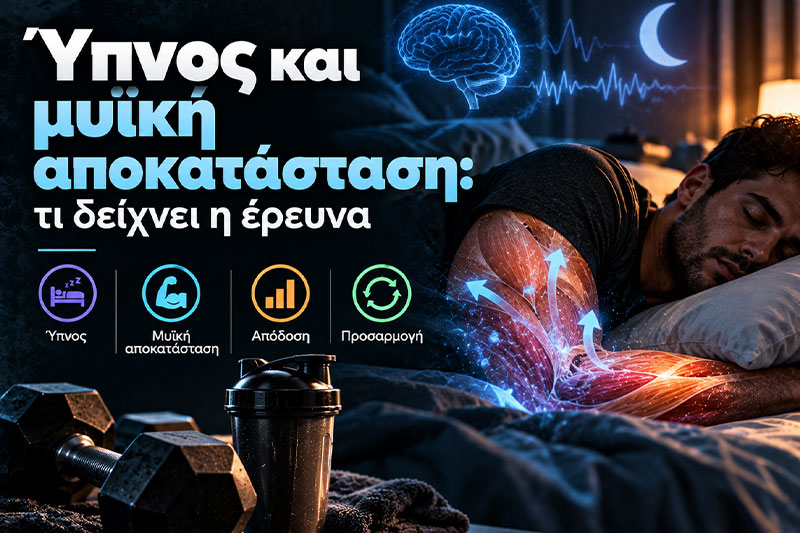 Sleep and Muscle Recovery: Why Does It Matter?Sleep is part of recovery and deserves a place in your training schedule. Duration, quality and individual needs should be assessed together. Walsh et al., 2021 What does research show about muscle?In a study involving 24 young men, the group whose time in bed was restricted to 4 hours per night for five nights showed lower myofibrillar protein synthesis than the group given 8 hours. This finding relates to a specific experimental protocol. It does not calculate how much muscle someone loses after one poor night. Saner et al., 2020 How many hours are needed?The joint AASM/SRS recommendation for adults aged 18–60 advises at least 7 hours of sleep regularly. This is a general health recommendation, not an individualized athletic recovery target. Watson et al., 2015 The athlete sleep consensus emphasizes that one fixed number does not necessarily suit everyone. Walsh et al., 2021 How can you assess your routine?For one week, record:
For example, the interval from 12:30 a.m. to 7:00 a.m. allows only 6.5 hours in bed. Actual sleep may be shorter. Use the log to identify where available sleep time is restricted and which changes fit your schedule. Frequently asked questionsDoes one poor night cancel out a workout? Does time in bed equal time asleep? When should I seek help? References
|

Best supplements store
CHOOSE CATEGORY
CATEGORIES










(c) katerelosfitness.gr - All rights reserved - By: Hyper Center -