0
0












|
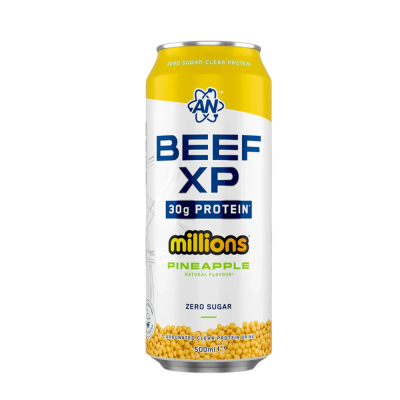
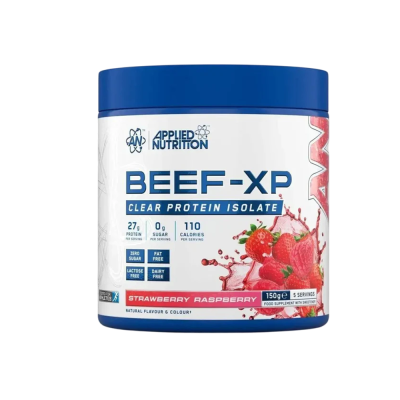
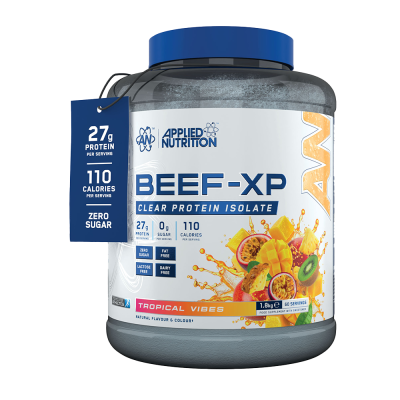
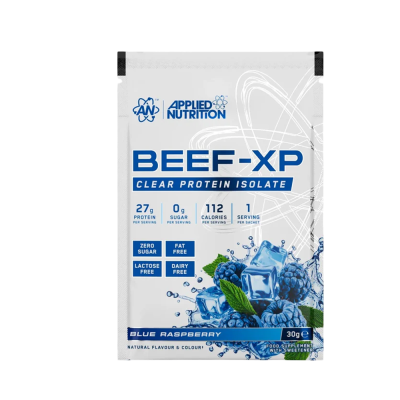
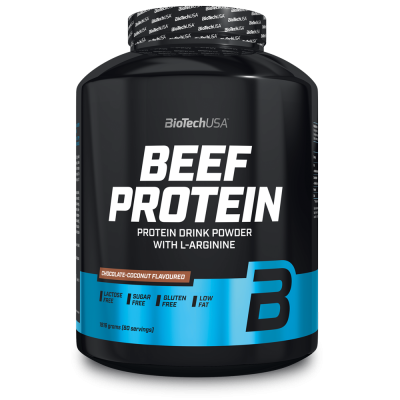
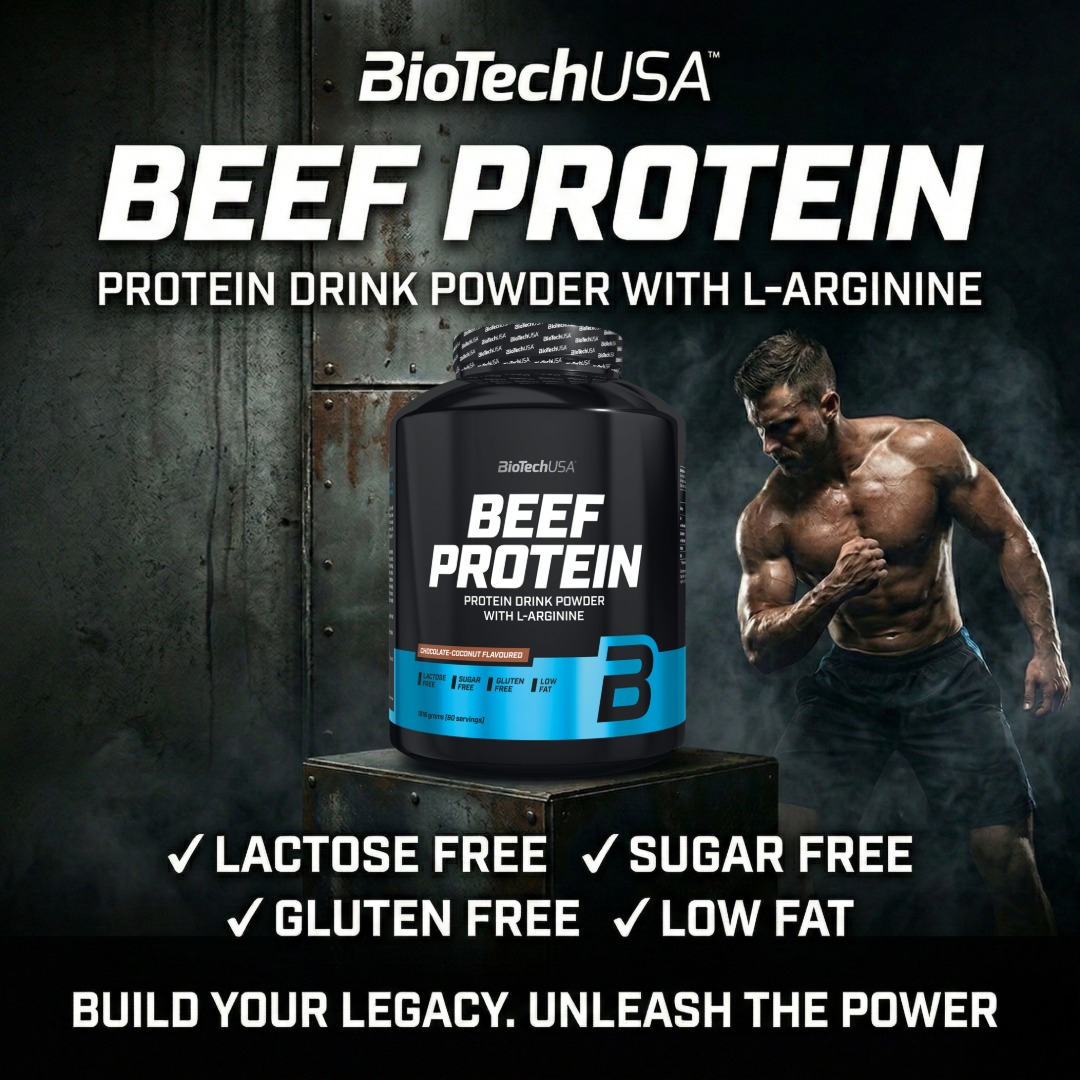
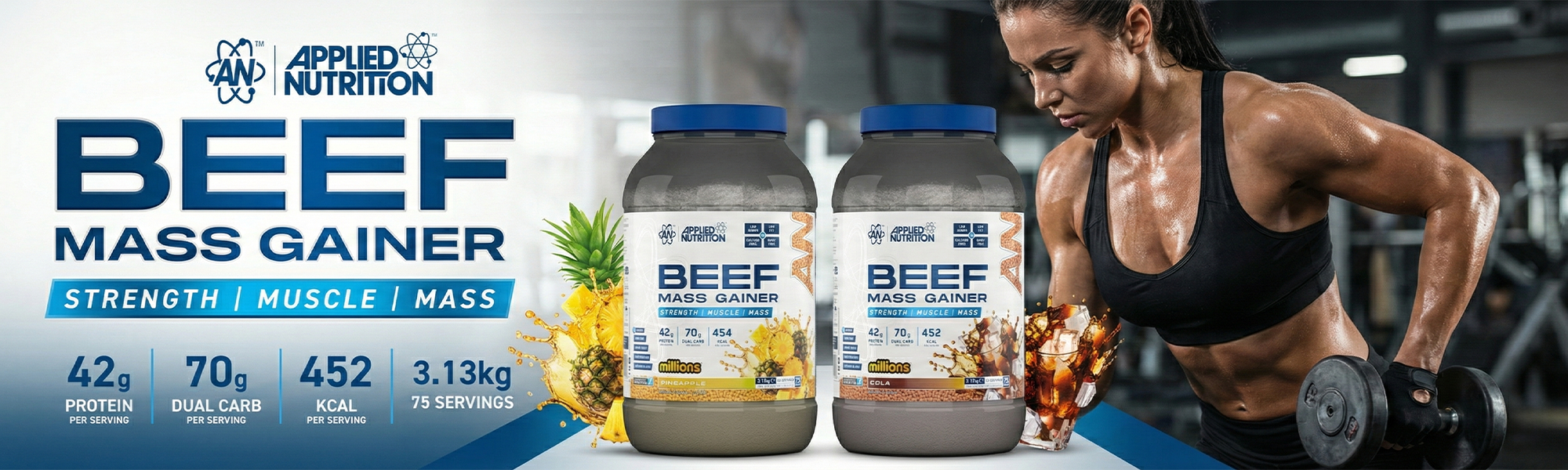
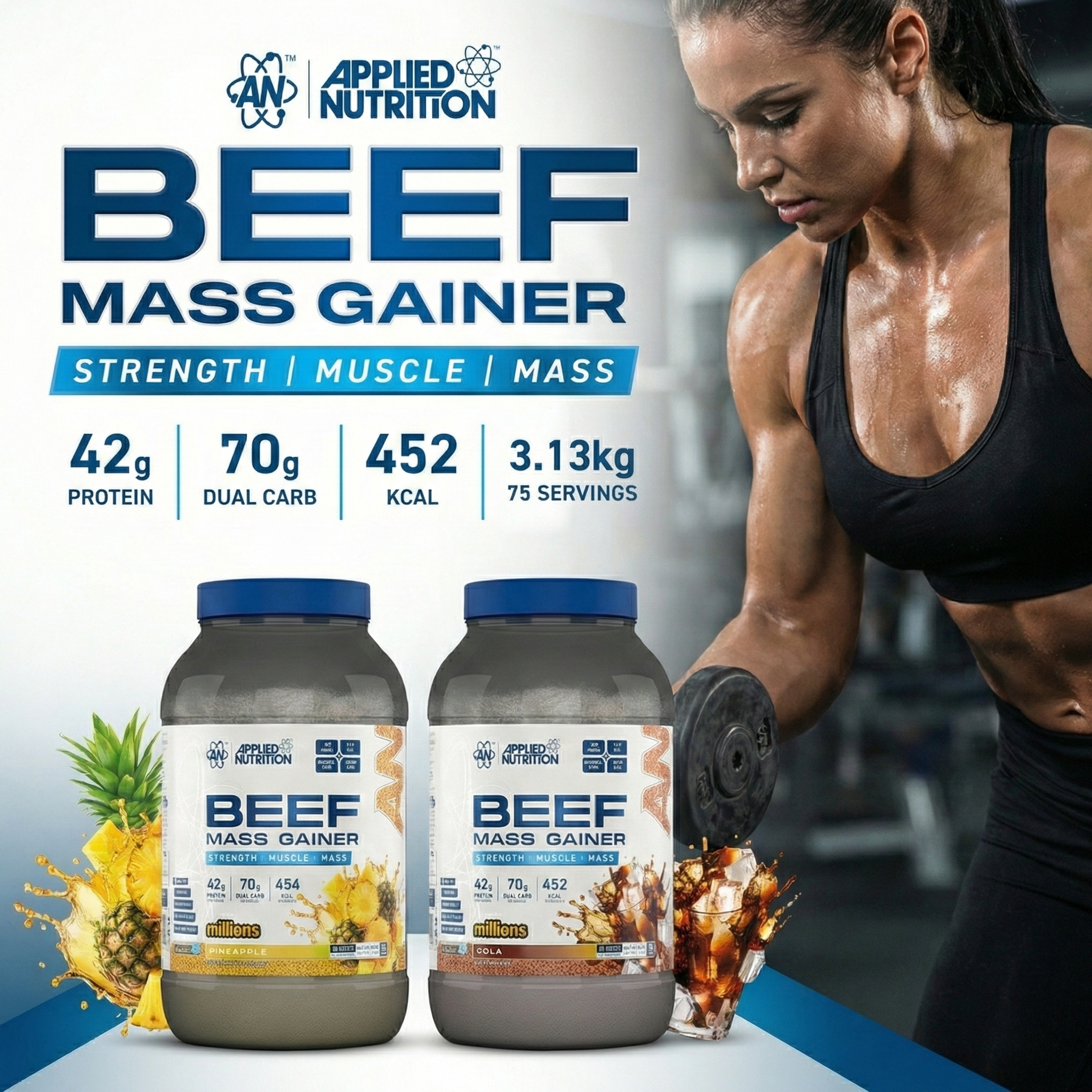
ΕΠΙΛΟΓΕΣ Beef Proteins are animal-based protein supplements produced from beef through protein hydrolysis and isolation processes. They are mainly derived from lean parts of beef tissue and contain high biological value protein, with no or minimal fat, carbohydrates and lactose, making them suitable for people with lactose intolerance or avoiding dairy products.
At a biochemical level, beef proteins consist of a complete amino acid profile, including all essential amino acids, with a particularly high content of BCAAs (leucine, isoleucine, valine), which play a key role in muscle protein synthesis. Leucine, in particular, functions as a key activator of the mTOR anabolic pathway, promoting muscle recovery and growth after exercise.
Beef proteins used in supplements are usually hydrolyzed, meaning they have been broken down into smaller peptides and amino acids, which improves the speed of digestion and absorption compared to natural meat. At the same time, they contain natural bioactive components of beef tissue, such as creatine, glycine, proline and hydroxyproline, which contribute not only to muscle function but also to the health of connective tissues.
From an ergophysiological perspective, beef protein supplementation has been associated with supporting muscle mass, improving recovery after intense exercise and maintaining a positive nitrogen balance. Although its absorption rate is generally lower than that of whey, it offers a prolonged supply of amino acids, which can be beneficial during periods of fasting, dieting or increased catabolic needs.
Overall, beef proteins are a scientifically proven, high-quality protein source with a complete amino acid profile and high bioavailability. They are widely used by strength athletes, dairy avoiders, and those seeking alternative forms of animal protein with an emphasis on muscle recovery, lean mass maintenance, and overall metabolic health.
|
 |
|

Best supplements store
CHOOSE CATEGORY
CATEGORIES