0
0
|
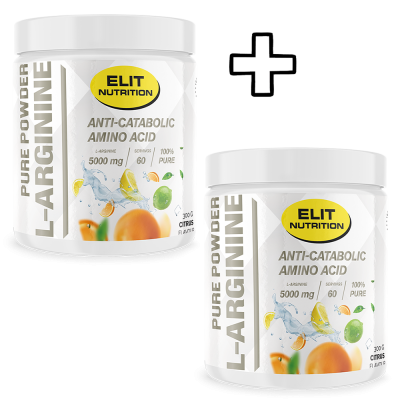
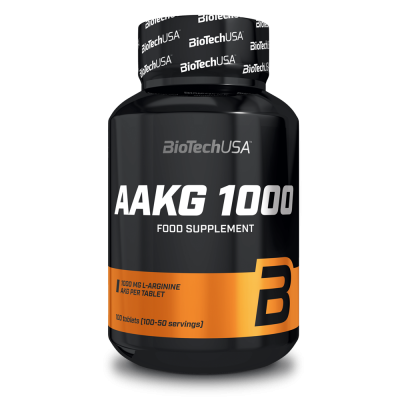
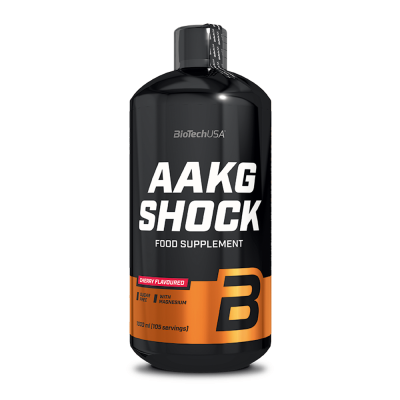
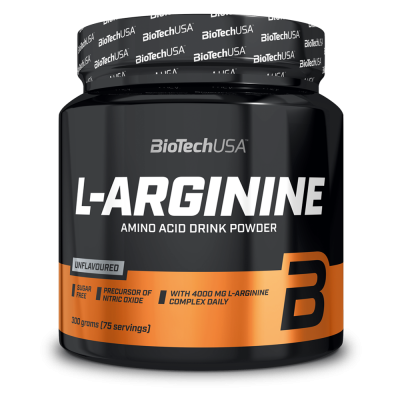
ΕΠΙΛΟΓΕΣ L-Arginine is a semi-essential amino acid that participates in a multitude of metabolic and physiological processes in the human body. Under normal conditions, it can be synthesized endogenously, however, in situations of increased needs, such as intense physical exercise, injury, disease or periods of increased metabolic stress, endogenous production may not be sufficient, making its dietary or supplemental intake important.
At a biochemical level, L-arginine is a key precursor molecule for the synthesis of nitric oxide (NO) through the action of the enzyme nitric oxide synthase (NOS). NO is a potent vasodilator molecule that increases the diameter of blood vessels, improving blood flow, oxygen supply and nutrient transport to tissues. Arginine also participates in the urea cycle, helping to remove ammonia and regulate nitrogen metabolism.
From an ergophysiological perspective, increased NO production through L-arginine has been associated with improved muscle perfusion, increased endurance and better performance during exercise. In addition, improved circulation may support muscle recovery after training. L-arginine has also been linked to the release of growth hormone, although the clinical significance of this mechanism in sports remains a subject of scientific debate.
Beyond sports, L-arginine plays an important role in immune system function, wound healing and creatine synthesis. In addition, it participates in the regulation of endothelial function, which makes it a subject of study in the field of cardiovascular health.
Overall, L-arginine is a scientifically proven amino acid supplement, with primary benefits of improving blood flow, supporting athletic performance, and participating in critical metabolic processes. It is widely used in both sports and clinical nutrition, particularly in situations of increased physiological demands, where its adequate availability is crucial.
|
 |

Best supplements store
CHOOSE CATEGORY
CATEGORIES

INTERESTING ARTICLES
-
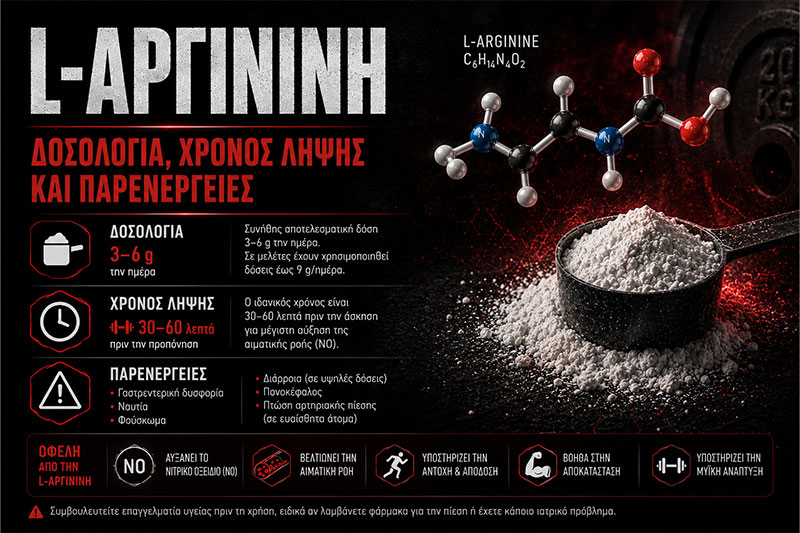
L-Arginine Dosage, Timing, Safety and Side Effects
Research-based L-arginine doses, pre-workout timing, tolerability, side effects and medication precautions.
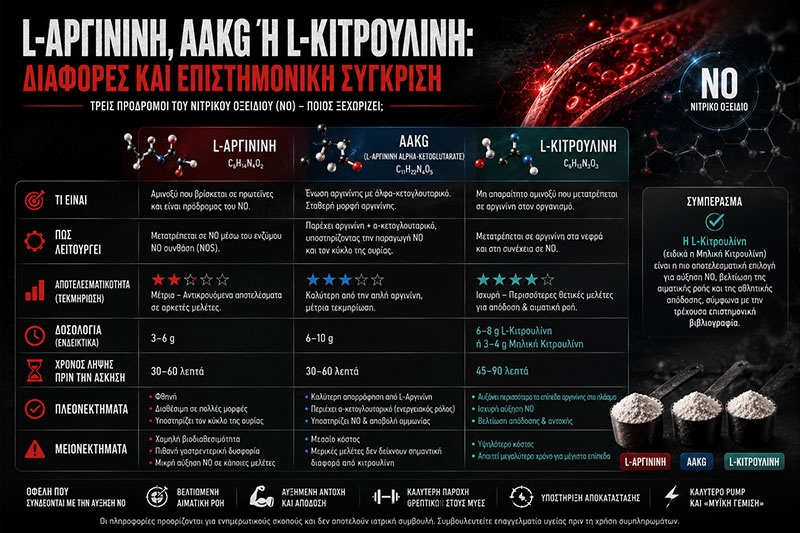
L-Arginine vs AAKG vs L-Citrulline: Evidence-Based Comparison
Compare L-arginine, AAKG and L-citrulline for absorption, nitric oxide, blood flow and exercise performance.
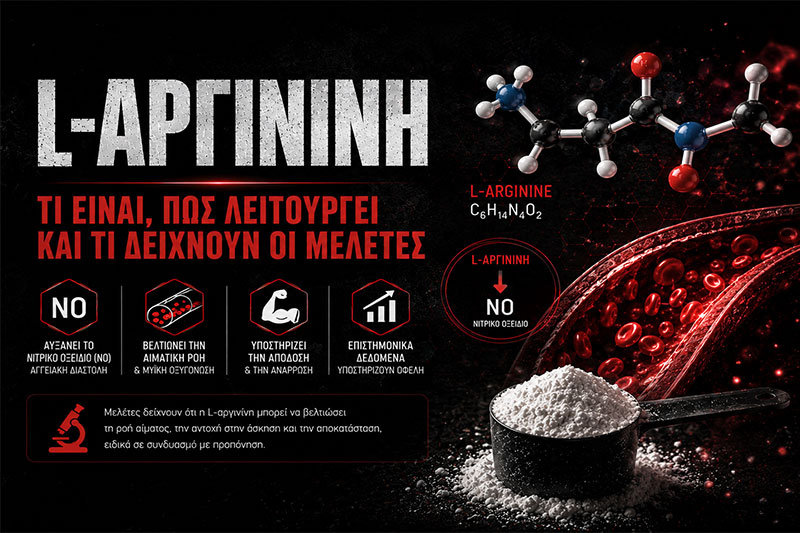
L-Arginine: What It Is, How It Works and What Studies Show
What L-arginine is, how it relates to nitric oxide, and what research shows about blood flow and exercise performance.