0
0








|
ΕΠΙΛΟΓΕΣ Alanine (L-Alanine) is a non-essential amino acid that plays an essential role in energy metabolism and in maintaining metabolic balance, especially during prolonged or intense physical exercise. The human body can synthesize it endogenously, mainly through transamination of pyruvic acid, which makes it available even in conditions of increased energy demands.
At a biochemical level, alanine is a key component of the glucose–alanine cycle, a mechanism through which skeletal muscle transports nitrogen to the liver and at the same time contributes to the maintenance of blood glucose levels. During exercise, alanine is transported from the muscles to the liver, where it is converted to glucose through gluconeogenesis and re-circulated into the circulation as an energy substrate.
This function makes alanine an important factor in regulating glycemia and providing energy in situations of prolonged exercise or fasting. At the same time, it contributes to the removal of ammonia from muscle tissue, protecting cells from toxic concentrations of nitrogenous by-products of amino acid metabolism.
From an ergophysiological point of view, alanine supplementation has been studied to support endurance and energy availability, especially in long-duration activities. Its contribution to stabilizing glucose levels can help reduce premature fatigue and maintain performance, without burdening the gastrointestinal system.
Overall, alanine is a functional and scientifically documented amino acid with the main action of supporting energy metabolism, glycemic balance and the removal of metabolic by-products. Although it is not among the essential ergogenic supplements, its presence in amino acid mixtures contributes substantially to overall metabolic support during exercise and recovery.
|
 |

Best supplements store
CHOOSE CATEGORY
CATEGORIES
INTERESTING ARTICLES
-
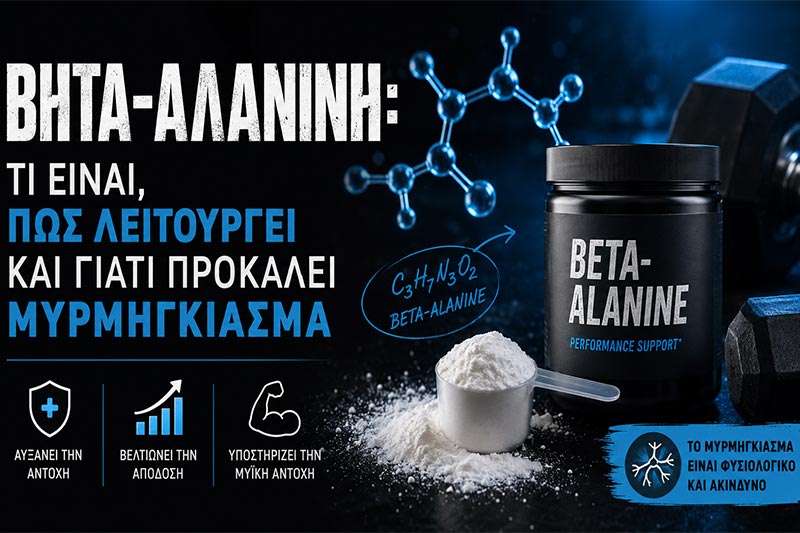
Beta-Alanine: Benefits, Dosage and Tingling
Discover how beta-alanine works, which training sessions may benefit and why it can cause a temporary tingling sensation.