0
0








|
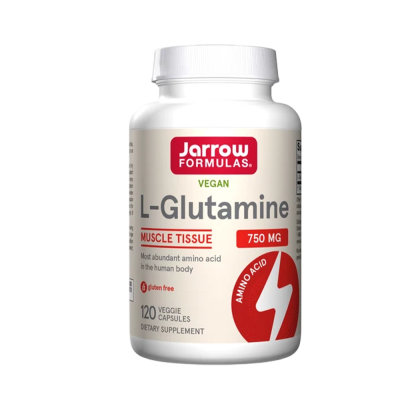
ΕΠΙΛΟΓΕΣ L-Glutamine is a non-essential amino acid found in high concentrations in the human body, particularly in skeletal muscle, where it is a major nitrogen reserve. Although it is classified as non-essential, in situations of increased metabolic stress — such as intense physical exercise, injury, infection, or prolonged caloric deficit — its endogenous synthesis may be insufficient, making it conditionally essential.
At the biochemical level, L-glutamine plays a central role in nitrogen metabolism and in the regulation of acid-base balance. It functions as the main fuel substrate for cells of the immune system (lymphocytes, macrophages) as well as for enterocytes of the small intestine, contributing to the maintenance of the integrity of the intestinal barrier. At the same time, it participates in the synthesis of nucleotides, amino sugars and glutathione, one of the most important endogenous antioxidants.
In muscle tissue, L-glutamine is associated with anti-catabolic properties, as it helps maintain cell volume (cell volumization), a mechanism associated with anabolic signals and reduced muscle proteolysis. Although it does not directly activate the mTOR anabolic pathway like leucine, it indirectly contributes to muscle recovery and the maintenance of a positive nitrogen balance, especially during periods of intense catabolic stress.
From an ergophysiological point of view, L-glutamine supplementation has been associated with faster recovery after exercise, reduced muscle fatigue and support of immune function in high-performance athletes. In addition, its positive effect on the functioning of the gastrointestinal system makes it particularly useful in cases of intestinal strain or increased intestinal permeability.
Overall, L-glutamine is a scientifically documented and widely used amino acid supplement, with key roles in supporting the immune system, maintaining muscle mass and improving recovery. It is used both in sports and in clinical nutrition, especially in situations of increased metabolic load, where the body's needs for glutamine are increased.
|
 |

Best supplements store
CHOOSE CATEGORY
CATEGORIES


INTERESTING ARTICLES
-
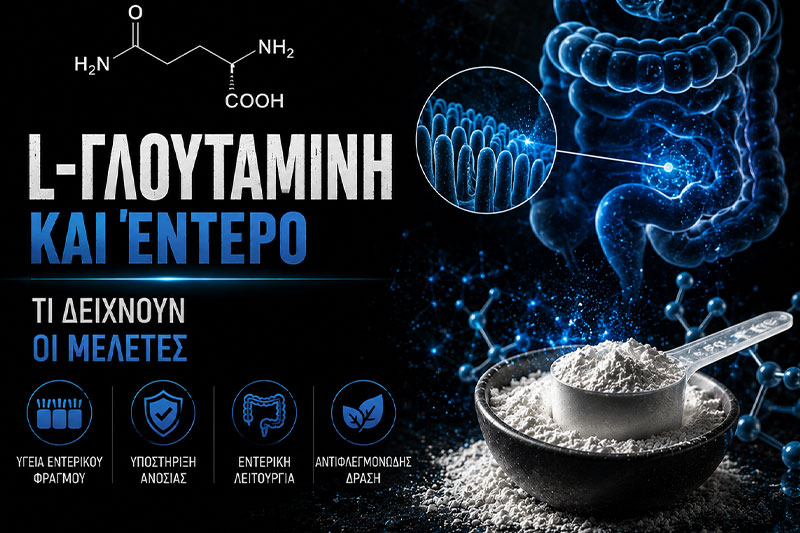
L‑Glutamine and Gut Health: What Research Shows
Explore L‑glutamine’s role in the intestinal barrier and what research shows about gut permeability, gastrointestinal symptoms, exercise and heat stress.
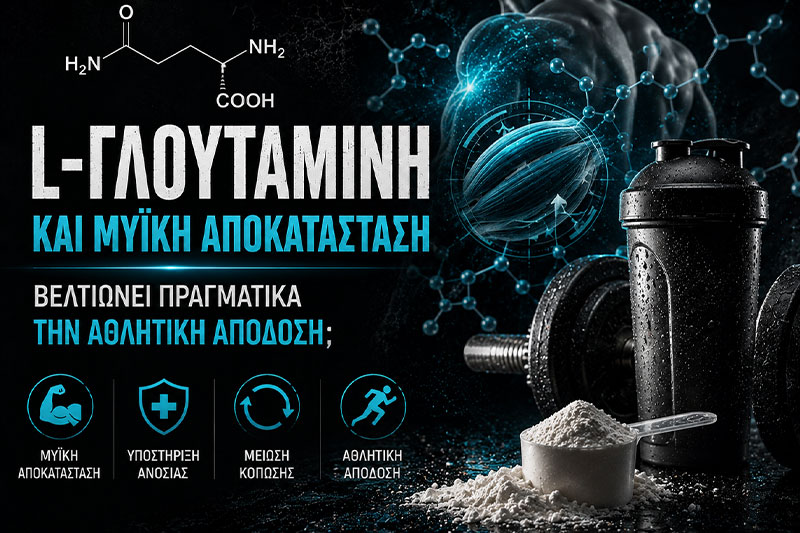
L‑Glutamine and Muscle Recovery: Does It Work?
Can L‑glutamine improve muscle recovery, strength and athletic performance? A scientific review of clinical trials and meta-analyses.
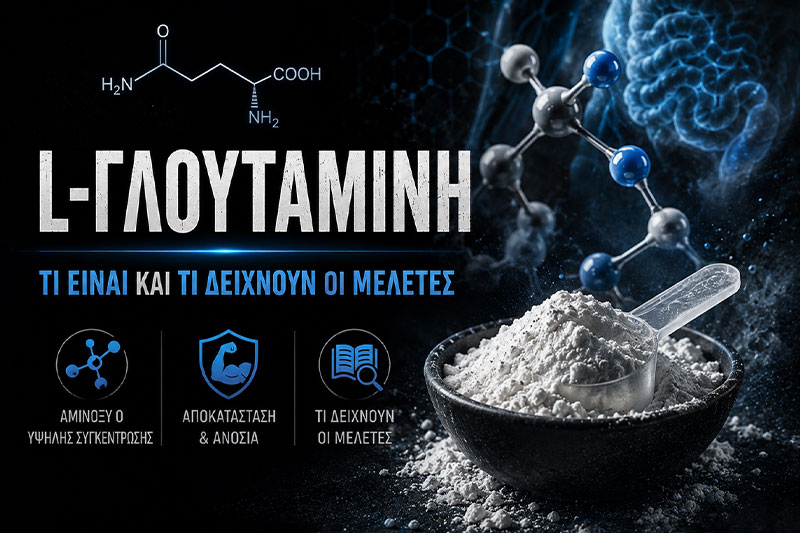
L‑Glutamine: What It Is and What Research Shows
Learn what L‑glutamine is, its biological functions, and what scientific research shows about exercise, immunity and intestinal health.