0
0









|
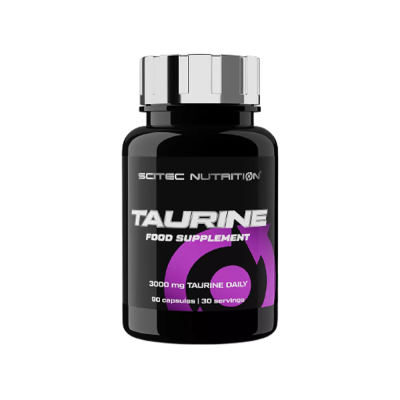
ΕΠΙΛΟΓΕΣ Taurine is a sulfur-containing organic molecule that is often functionally classified with amino acids, although it is not a proteinogenic amino acid, as it does not participate directly in protein synthesis. It is produced endogenously from the amino acids methionine and cysteine and is found in high concentrations in skeletal muscle, heart, brain and retina, where it performs critical physiological functions.
At the biochemical level, taurine plays a key role in regulating cellular osmotic pressure, stabilizing cell membranes and regulating the flow of calcium ions (Ca²⁺) into cells. Its ability to regulate calcium is particularly important for muscle contraction and neuromuscular function. At the same time, it participates in the conjugation of bile acids, contributing to the digestion and absorption of lipids.
Taurine also exhibits antioxidant and cytoprotective properties, as it helps reduce oxidative stress and protect cells from damage caused by free radicals. In addition, it supports the normal function of the nervous system, exerting a mild neuroregulatory effect and contributing to the maintenance of neuronal stability.
From an ergophysiological point of view, taurine supplementation has been associated with improved muscle function, better endurance and reduced muscle fatigue. Its ability to regulate fluid and electrolyte balance, as well as supporting calcium function in the muscles, makes it particularly useful in high-intensity or long-duration training. In addition, it has been studied for its contribution to cardiovascular function, by supporting myocardial contractility and regulating blood pressure.
Overall, taurine is a scientifically proven and multifunctional supplement, with important roles in muscle, nerve and cardiovascular function, as well as in the management of oxidative and metabolic stress. It is widely used by athletes, people with increased physical demands and those seeking to support performance, endurance and overall cellular health.
|
 |

Best supplements store
CHOOSE CATEGORY
CATEGORIES