


 0
0
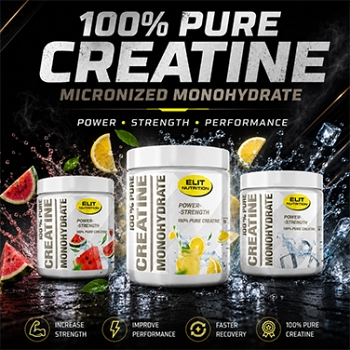






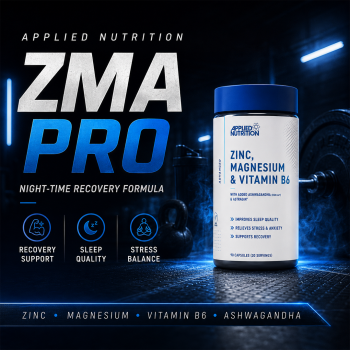


Creatine and Side Effects: Kidneys, Retention, and Hair Loss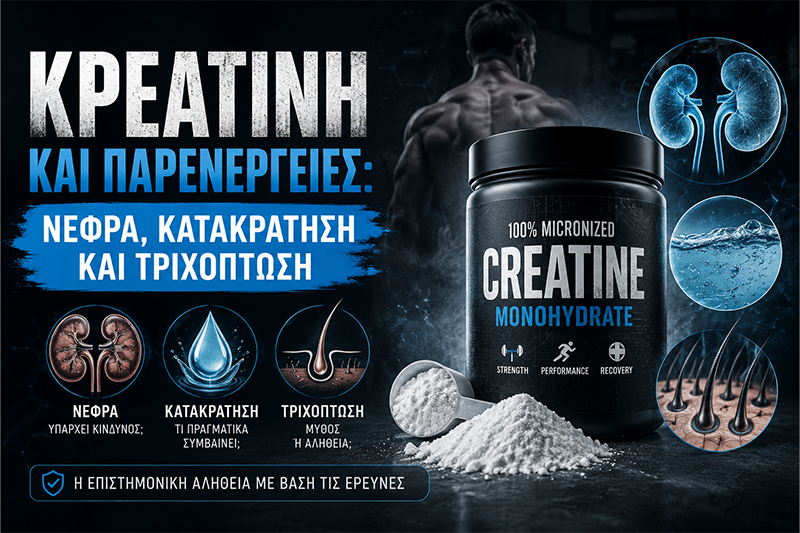 Is Creatine Monohydrate Safe?Creatine monohydrate is generally considered safe and well tolerated by healthy adults when used in the recommended amounts. The position stand of the International Society of Sports Nutrition states that creatine has been examined in both short-term and long-term supplementation protocols, with no evidence of serious adverse effects in healthy populations. A more recent review of the most common safety concerns also concluded that creatine monohydrate is generally safe when used appropriately, while highlighting the need for additional data in specific clinical populations. This conclusion applies to healthy individuals. It does not mean that creatine supplementation is automatically appropriate for every medical condition or medication regimen. Does Creatine Cause Kidney Problems?Concerns regarding kidney health are often associated with increased creatinine levels in blood tests. Creatinine is a breakdown product of creatine and is commonly used as a marker for assessing kidney function. Creatine supplementation may slightly increase blood creatinine levels without necessarily indicating that kidney damage has occurred. A 2025 systematic review and meta-analysis found a modest and temporary increase in creatinine levels, without a significant change in the glomerular filtration rate. This finding suggests that changes in creatinine may be related to creatine metabolism rather than impaired kidney function. Therefore, creatinine levels should not be assessed in isolation in individuals who use creatine supplements or have increased muscle mass. Before undergoing laboratory testing, the physician should be informed about the use of a creatine supplement. Who Should Consult a Doctor?Medical evaluation is recommended before use in cases involving:
Safety data obtained from healthy adults should not be used to draw conclusions about individuals with previously diagnosed kidney disease. Does Creatine Cause Water Retention?Creatine may increase the amount of water retained within muscle cells, particularly during the first few days of a loading phase. This may lead to a slight increase in body weight. This change is primarily characterised by an increase in intracellular water and is not necessarily associated with subcutaneous oedema or generalised “bloating.” Longer-term studies do not indicate that creatine necessarily causes a continuous increase in total body water in all users. The initial increase in body weight is more likely to be pronounced when 20 grams per day are used as part of a loading protocol. Does Creatine Cause Dehydration?There is insufficient evidence to suggest that creatine increases the risk of dehydration in healthy individuals. The scientific literature does not show an increased incidence of dehydration, thermoregulation disorders or heat-related problems as a result of creatine supplementation. Adequate fluid intake remains essential for everyone who exercises, particularly:
However, excessive water consumption is not required solely because creatine is being used. Does Creatine Cause Muscle Cramps?The belief that creatine causes muscle cramps is not supported by the available controlled studies. In certain studies, creatine users did not experience more cramps or injuries than individuals who did not take creatine. Muscle cramps can be influenced by several factors, including:
The occurrence of a muscle cramp should not automatically be attributed to creatine supplementation. Does Creatine Cause Hair Loss?The possible association between creatine and hair loss is primarily based on a small 2009 study in which changes in dihydrotestosterone, commonly known as DHT, were observed. That study did not assess:
The findings regarding DHT have not been consistently confirmed by subsequent research. Therefore, there is insufficient scientific evidence to demonstrate that creatine monohydrate causes hair loss. Individuals experiencing significant hair loss should be assessed by a dermatologist, as genetic, hormonal, nutritional or other factors may be involved. Does Creatine Increase Body Fat?Creatine does not directly cause an increase in body fat. It does not provide a significant amount of energy that could independently create a caloric surplus. The initial increase on the scale is primarily associated with increased intramuscular water. A 2024 meta-analysis found small changes in body weight and estimated lean body mass, with more consistent results when creatine supplementation was combined with resistance training. What Are the Possible Side Effects?The most common side effects are generally mild and are primarily associated with high doses consumed at one time. Possible effects include:
Gastrointestinal discomfort is more likely when 10–20 grams are consumed as a single dose. During a loading phase, the total daily amount should be divided into smaller doses throughout the day. Can Creatine Be Combined With Caffeine?There is no strong evidence that combining creatine and caffeine is dangerous for healthy adults. However, high amounts of caffeine may cause:
When creatine is combined with pre-workout products, the total daily intake of caffeine and other stimulants should be taken into consideration. Is Creatine Suitable for Everyone?Creatine monohydrate may be used by many healthy adults, but it is not necessary or appropriate for every individual. Particular caution is required for:
Evaluation by a healthcare professional is essential when a known medical condition is present. ConclusionCreatine monohydrate has one of the most extensively studied safety profiles among sports nutrition supplements. In healthy adults and when used in the recommended amounts, there is no strong evidence that it causes kidney damage, dehydration, muscle cramps or hair loss. It may cause a temporary increase in body weight due to increased intramuscular water, as well as gastrointestinal discomfort when large single doses are used. Individuals with existing medical conditions should seek medical guidance before use. Frequently Asked QuestionsDoes Creatine Damage the Kidneys?Studies involving healthy individuals do not show a significant deterioration in kidney function. Individuals with existing kidney disease require medical evaluation. Why Do Creatinine Levels Increase in Blood Tests?Creatinine is a product of creatine metabolism. A small increase does not, by itself, constitute evidence of kidney damage. Does Creatine Cause Bloating?It may increase water within muscle cells, particularly during a loading phase. It does not necessarily cause subcutaneous swelling or bloating. Does Creatine Cause Hair Loss?There is insufficient scientific evidence to demonstrate that creatine monohydrate causes hair loss. Does Creatine Cause Muscle Cramps?The available evidence does not indicate that creatine increases the frequency of muscle cramps in healthy individuals. Scientific ReferencesKreider RB, Kalman DS, Antonio J, et al. International Society of Sports Nutrition position stand: safety and efficacy of creatine supplementation in exercise, sport, and medicine. Journal of the International Society of Sports Nutrition. 2017. Antonio J, Candow DG, Forbes SC, et al. Common questions and misconceptions about creatine supplementation: what does the scientific evidence really show? Journal of the International Society of Sports Nutrition. 2021. Naeini EK, et al. Effect of creatine supplementation on kidney function: a systematic review and meta-analysis. 2025. Longobardi I, et al. A short review of the most common safety concerns regarding creatine monohydrate supplementation. 2025. Pashayee-Khamene F, et al. Creatine supplementation protocols with or without training interventions on body composition: a systematic review and dose-response meta-analysis. 2024. |

Best supplements store
CHOOSE CATEGORY
CATEGORIES










(c) katerelosfitness.gr - All rights reserved - By: Hyper Center -