


 0
0











Carbohydrates Before and After Exercise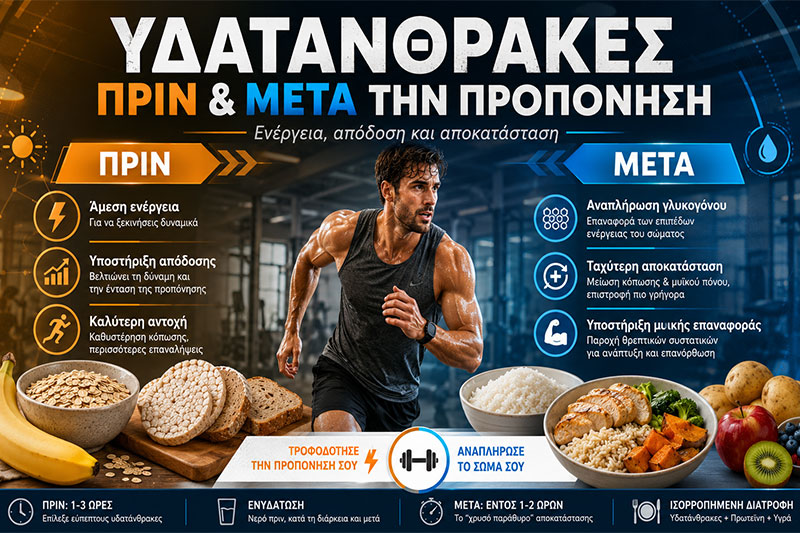 Why are carbohydrates important?Carbohydrates are an important energy source for moderate-to-high-intensity exercise. Following digestion, they are primarily stored as glycogen in the muscles and liver. As training duration or intensity increases, glycogen availability can affect the ability to maintain pace, power and repeated-effort performance. Carbohydrates before exercisePre-exercise carbohydrate intake aims to provide sufficient energy without causing digestive discomfort. Suitable foods may include rice, oats, bread, potatoes, fruit or another easily digested source. Evidence indicates that pre-exercise carbohydrates are more likely to improve longer-duration performance than very short exercise sessions. Carbohydrates during exerciseFor exercise lasting approximately 1–2.5 hours, recommendations frequently range from 30–60 g per hour. During very long endurance events, trained athletes may use up to approximately 90 g per hour from multiple carbohydrate sources. Gastrointestinal tolerance should be trained progressively. Introducing a large amount for the first time during competition may cause bloating or digestive discomfort. Carbohydrates after exercisePost-exercise carbohydrate supports the restoration of muscle glycogen. Rapid restoration becomes more important when a second demanding session is scheduled on the same day or when recovery time is limited. For someone training once daily, total daily carbohydrate intake is generally more important than consuming it within a strict window of only a few minutes. Does everyone need intra-workout carbohydrates?A short resistance-training session does not automatically require a sports drink. Carbohydrates during exercise are more relevant to prolonged sessions, endurance events, very high-volume training or multiple daily workouts. ConclusionCarbohydrate intake should be adjusted to the duration, intensity and purpose of training. Not every athlete requires the same amount, and intra-workout products are not necessary for every session. References
|
Λόγω της θερινής περιόδου, ΚΑΙ ΥΨΗΛΩΝ ΘΕΡΜΟΚΡΑΣΙΩΝ έχει καταστεί απαραίτητο να εφαρμόσουμε προληπτικά μέτρα για να διασφαλίσουμε την ποιότητα και την ακεραιότητα των προϊόντων που αποστέλλονται στους καταναλωτές. Ως εκ τούτου, σας ενημερώνουμε ότι ΟΙ ΜΠΑΡΕΣ ΣΟΚΟΛΑΤΕΣ ΔΕΝ ΜΠΟΡΟΥΝ ΝΑ ΑΠΟΣΤΑΛΟΎΝ ΜΕ ΤΗΝ ΔΙΑΔΙΚΑΣΊΑ COURIER ΜΟΝΟ ΠΑΡΑΛΑΒΗ ΑΠΟ ΚΑΤΑΣΤΗΜΑ. ΓΙΑ ΠΕΡΙΣΣΟΤΕΡΕΣ ΠΛΗΡΟΦΟΡΙΕΣ ΕΠΙΚΟΙΝΩΝΗΣΤΕ

Best supplements store
CHOOSE CATEGORY
CATEGORIES










(c) katerelosfitness.gr - All rights reserved - By: Hyper Center -