


 0
0



Electrolytes: When Do You Need Them During Exercise?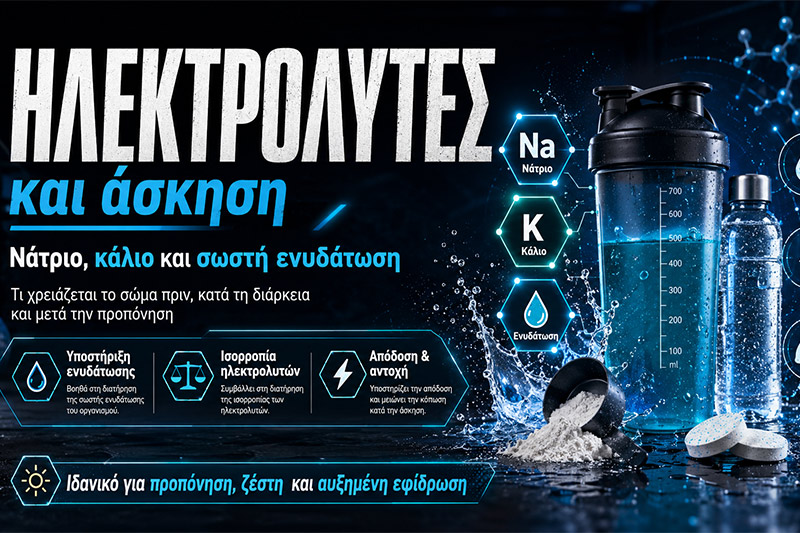 What are electrolytes?Electrolytes include sodium, potassium, chloride, magnesium and calcium. They support fluid balance, nerve signalling and normal muscle function. Sweat contains mainly water and sodium, but sweat rate and sodium concentration vary considerably between athletes. When are they useful?Water is generally sufficient for short, moderate workouts. Isotonic drinks become more useful during:
Daily sodium supplementation is unnecessary when fluid and sweat losses are low. Current evidence indicates that fluid and sodium should be considered together rather than replaced independently. Do electrolytes improve performance?Electrolytes do not directly provide energy or increase muscle strength. They may support fluid retention during prolonged exercise. Products used during training may also contain carbohydrates, which provide the main exercise fuel. Sodium has not consistently improved performance independently of appropriate fluid intake. Do they prevent cramps?Exercise-associated cramps are not always caused by dehydration or low electrolytes. Muscle fatigue, intensity, conditioning and altered neuromuscular control are also important. Electrolytes may help when large sweat and sodium losses are involved, but they cannot prevent every cramp. Avoid overhydrationDrinking more fluid than is lost can dilute blood sodium and cause exercise-associated hyponatraemia. Symptoms can include headache, nausea, confusion and, in severe cases, seizures. Consuming sodium does not fully prevent hyponatraemia when excessive fluid intake continues. ConclusionElectrolytes are most useful during prolonged exercise, heavy sweating and training in the heat. For shorter sessions, water is usually sufficient. Fluid and sodium intake should be adjusted to exercise duration, environmental conditions and individual sweat losses. References
|

Best supplements store
CHOOSE CATEGORY
CATEGORIES










(c) katerelosfitness.gr - All rights reserved - By: Hyper Center -