


 0
0


Iron and Exercise: Ferritin, Fatigue and Performance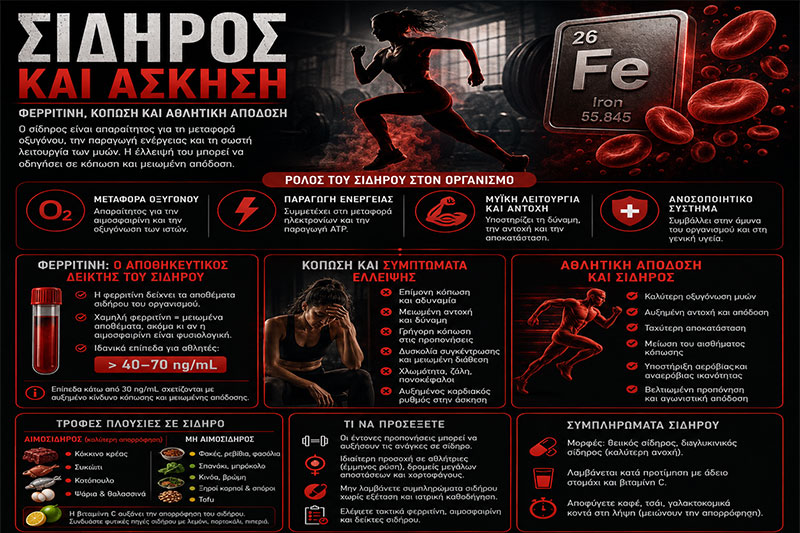 Why is iron important?Iron is required for haemoglobin, myoglobin, oxygen transport and normal energy metabolism. Iron stores can become depleted before haemoglobin falls, meaning that deficiency can occur without established anaemia. Serum ferritin is commonly used to assess iron stores. A concentration below approximately 30 μg/L may indicate deficiency, although inflammation and recent strenuous exercise can temporarily increase ferritin. Who is at greater risk?Risk is higher among:
Low energy availability can impair health, nutritional status and performance in both female and male athletes. Does iron affect performance?Iron-deficiency anaemia reduces oxygen-carrying capacity and can substantially impair endurance. Deficiency without anaemia may also contribute to fatigue and poorer training quality. Supplementation appears most useful when initial ferritin is low; athletes with adequate stores generally show little additional benefit. A 2024 meta-analysis found that oral supplementation increases ferritin, while its average effect on VO₂max remained small and statistically uncertain. Food sources and absorptionHaem iron from meat, seafood and poultry is more readily absorbed than non-haem iron from legumes, tofu, nuts, seeds and vegetables. Vitamin C can improve non-haem iron absorption, while tea, coffee, phytates and calcium consumed near the same meal may reduce it. Iron may be found in mineral supplements and selected multivitamins. Total intake from all products should be checked. Supplementation and safetyIron should not be taken solely because an athlete feels tired. Blood testing and professional assessment are needed to determine the cause and appropriate treatment. The EU label reference value is 14 mg per day, while EFSA has established a safe adult intake level of 40 mg per day. Neither value represents a standard treatment dose for diagnosed deficiency. Possible side effects include nausea, constipation, diarrhoea and abdominal discomfort. Iron can interact with levothyroxine, selected antibiotics and calcium supplements. People with haemochromatosis or high iron stores should not supplement without medical advice. Iron products must be stored securely away from children. ConclusionIron is essential for oxygen transport and energy production. Low ferritin may contribute to fatigue before anaemia develops. Supplementation is most likely to help when laboratory testing confirms low iron status. Additional iron has not been shown to improve performance in athletes who already have adequate stores. References
|

Best supplements store
CHOOSE CATEGORY
CATEGORIES









(c) katerelosfitness.gr - All rights reserved - By: Hyper Center -