


 0
0

Iron and Exercise: Deficiency, Fatigue and Endurance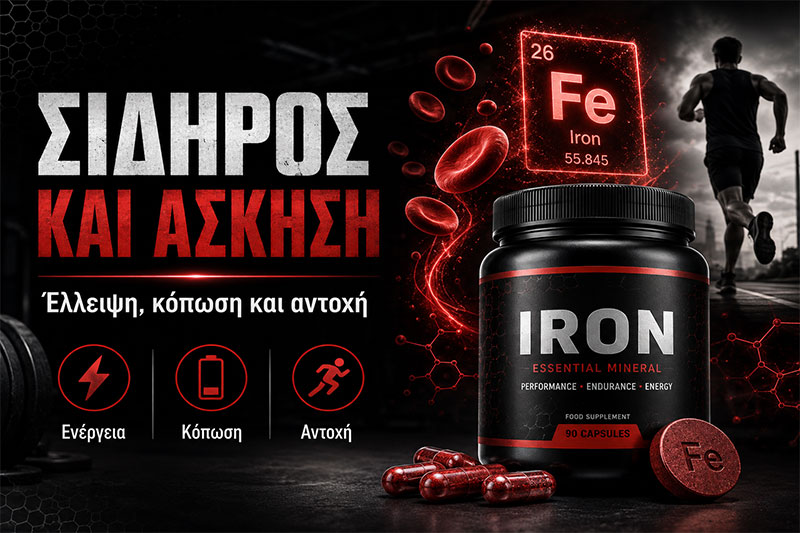 Iron and Exercise: Deficiency, Fatigue, Endurance and Sports PerformanceIron is an essential mineral with a central role in oxygen transport, energy metabolism and muscle function. It is a major component of haemoglobin, which transports oxygen from the lungs to body tissues, and myoglobin, which supports oxygen availability in muscle. Adequate iron status is particularly important for athletes because it can influence aerobic capacity, training adaptation, recovery, perceived fatigue and overall performance. Fatigue, however, is not always caused by iron deficiency. Diagnosis should not be based solely on symptoms or a single laboratory measurement. A complete blood assessment and professional evaluation are required. What does iron do in the body?Most of the iron in the human body is contained in the haemoglobin of red blood cells. Smaller quantities are stored as ferritin in the liver, spleen and bone marrow, while some iron is present in muscle myoglobin. Iron contributes to:
Adequate iron availability is important both for everyday function and for an athlete’s ability to complete and adapt to demanding training. Why can athletes develop iron deficiency?Not all athletes have the same requirements or level of risk. Certain training methods, dietary patterns and biological factors may increase iron loss or reduce iron intake and absorption. Potential contributing factors include:
Exercise can also temporarily increase hepcidin, a hormone that reduces iron absorption and release. This response may become particularly relevant when high training loads are combined with inadequate nutrition and low iron stores. Iron deficiency and iron-deficiency anaemiaIron deficiency is not always the same as anaemia. It can develop gradually through several stages. 1. Depleted iron storesFerritin levels decline during the initial stage, while haemoglobin may remain within the normal range. 2. Iron deficiency without anaemiaIron stores are low and functions related to energy metabolism and training adaptation may be affected, even though haemoglobin has not fallen below the clinical range. 3. Iron-deficiency anaemiaIn the more advanced stage, haemoglobin also declines, reducing the blood’s oxygen-carrying capacity. This can substantially impair endurance and exercise capacity. Possible symptomsIron deficiency may be associated with:
These symptoms are not specific to iron deficiency. They can also be related to insufficient sleep, inadequate energy intake, excessive training load, infection, thyroid dysfunction or other medical conditions. Iron supplementation should therefore not be started on symptoms alone. How does iron deficiency affect sports performance?Iron-deficiency anaemia reduces oxygen-carrying capacity and can significantly impair aerobic performance. An athlete may experience lower endurance, earlier fatigue and difficulty maintaining the required intensity. Iron deficiency without anaemia is more complex. Research suggests that it may affect training adaptation, exercise economy and perceived fatigue, particularly when ferritin concentrations are very low. Supplementation benefits are clearer in athletes with confirmed deficiency than in those with sufficient iron stores. Iron is not a direct ergogenic supplement. Taking additional iron is not expected to improve performance when no deficiency is present. Which athletes are at greater risk?Higher-risk groups include:
Low energy availability, which can form part of Relative Energy Deficiency in Sport, is also associated with an increased risk of impaired iron status. Which blood tests are required?Haemoglobin alone is not sufficient for the early identification of iron deficiency. It may remain normal after iron stores have started to decline. Assessment commonly includes a combination of:
Ferritin is a useful indicator of iron stores, but it can temporarily increase because of inflammation, infection or recent intensive exercise. Results must therefore be interpreted together rather than in isolation. There is no single ferritin concentration that is optimal for every athlete. Interpretation may vary according to sex, sport, medical history, training load, inflammation and preparation for altitude exposure. Dietary sources of ironDietary iron is available in two principal forms. Haem ironHaem iron is mainly found in animal-derived foods and generally has greater bioavailability. Sources include:
Non-haem ironNon-haem iron is mainly found in plant foods and fortified products. Sources include:
Haem iron is generally absorbed more efficiently than non-haem iron. Non-haem iron absorption can be improved by combining the meal with vitamin C from foods such as peppers, citrus fruit, kiwifruit, strawberries or tomatoes. Large quantities of calcium or polyphenol-rich drinks, including coffee and tea, consumed close to an iron-rich meal or supplement may reduce absorption. Timing should be individualised when an athlete needs to restore low iron stores. Products in the vitamins and minerals and multivitamins categories may contain iron. Total intake from all products should be checked before combining supplements. How much iron is required each day?European population reference intakes are 11 mg per day for adult men and postmenopausal women and 16 mg per day for premenopausal women. Requirements are strongly influenced by blood loss and the bioavailability of dietary iron. These figures refer to total daily dietary intake and are not supplement doses. Athletes should not increase supplemental iron intake without blood testing. When is an iron supplement required?Supplementation may be considered when blood testing and clinical evaluation identify depleted iron stores or iron-deficiency anaemia. The product, form, amount and duration depend on:
Providing iron without identifying the underlying cause is not a complete management strategy. Potential contributors such as heavy blood loss, inadequate energy intake, frequent blood donation or impaired absorption must also be investigated. Possible adverse effectsIron supplements may cause:
Excessive or unnecessary intake can lead to iron accumulation and harmful effects, particularly in individuals with disorders such as hereditary haemochromatosis. Iron products must also be stored away from children because acute overdose can be extremely dangerous. EFSA has established a safe level of total iron intake of 40 mg per day for adults. This is not a recommended dose and does not replace individual medical guidance. ConclusionIron is essential for oxygen transport, energy metabolism and normal muscle function. Deficiency may affect endurance, recovery, training adaptation and perceived fatigue. Female athletes of reproductive age, endurance athletes, adolescents, vegetarians and athletes following restrictive diets are among the groups at increased risk. Fatigue alone does not confirm iron deficiency. Appropriate management involves blood testing, dietary assessment and investigation of the underlying cause. Supplementation without a confirmed need does not necessarily improve performance and may cause adverse effects. Frequently asked questionsCan low ferritin cause fatigue without anaemia?Yes. Iron stores may be depleted while haemoglobin remains within the normal range. In some individuals, this can be associated with fatigue, reduced training capacity or slower recovery. The complete laboratory profile and symptoms must be assessed together. Does iron improve sports performance?It may improve performance when it corrects a confirmed deficiency. Additional iron has not been shown to enhance performance in athletes with sufficient iron stores. Should every female athlete take iron?No. Female athletes have a higher risk of depleted stores because of menstrual blood loss and other factors, but supplementation should be based on testing and professional assessment. Which blood test is most important?Ferritin is an important indicator of iron stores, but it should not be interpreted alone. It is commonly assessed together with haemoglobin, transferrin saturation, a complete blood count and markers of inflammation. Can coffee reduce iron absorption?Yes. Polyphenols in coffee and tea can reduce the absorption of non-haem iron. When iron status is low, these drinks are better consumed separately from the main iron-rich meal or supplement. Can iron and calcium be taken together?Calcium may interfere with iron absorption. When separate supplements are used, they are often taken at different times according to professional advice. References
|

Best supplements store
CHOOSE CATEGORY
CATEGORIES









(c) katerelosfitness.gr - All rights reserved - By: Hyper Center -