


 0
0

Molybdenum and Exercise: Enzymes, Metabolism and Performance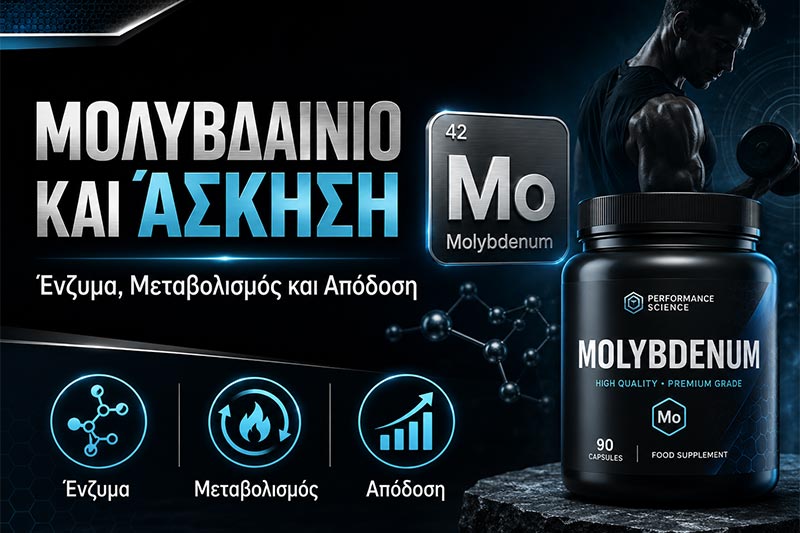 Molybdenum (Mo) is an essential trace element required by the human body in very small amounts. It forms part of molybdopterin, a cofactor required for four human enzymes: sulfite oxidase, xanthine oxidase, aldehyde oxidase and mitochondrial amidoxime reducing component (mARC). These enzymes participate in the metabolism of sulfur-containing amino acids, purines and pyrimidines, as well as certain drugs and other compounds. Despite these essential metabolic functions, molybdenum has not been established as a direct ergogenic supplement. Molybdenum and Sulfur Amino AcidsSulfite oxidase is one of the major molybdenum-dependent enzymes. It participates in processing sulfites generated during the metabolism of sulfur-containing amino acids such as methionine and cysteine. This pathway is essential for normal metabolism, but additional molybdenum intake has not been shown to improve amino-acid utilisation or stimulate muscle growth. Molybdenum and Purine MetabolismXanthine oxidase participates in purine metabolism and the formation of uric acid. Molybdenum is required for normal activity of this enzyme. This is metabolically important, but it does not mean that molybdenum supplementation increases ATP production, muscular strength or endurance. Molybdenum and ExerciseResearch specifically examining molybdenum in athletes is limited. Studies have compared trace-element concentrations between trained and untrained individuals, but no separate molybdenum requirement has been established for athletes. The presence of molybdenum within essential enzymes should therefore not be interpreted as evidence that consuming more improves athletic performance. How Much Molybdenum Does an Adult Need?EFSA has established an Adequate Intake of 65 μg/day for adults. In the United States, NIH lists an RDA of:
No higher official intake recommendation has been established simply because an individual exercises regularly. Which Foods Contain Molybdenum?Major dietary sources include:
Molybdenum concentrations in plant foods can vary substantially according to the amount present in the soil. NIH data, for example, list half a cup of cooked black-eyed peas as containing approximately 288 μg molybdenum, several times the daily requirement. Is Molybdenum Deficiency Common?No. Molybdenum deficiency is extremely rare, and NIH does not identify any population groups that are normally at risk of inadequate intake. A very rare genetic disorder known as molybdenum cofactor deficiency prevents normal molybdopterin synthesis and causes severe neurological disease. This condition is very different from ordinary low dietary intake. Does an Athlete Need a Molybdenum Supplement?Usually not. Molybdenum is widely available from food and true deficiency is exceptionally uncommon. There is also insufficient evidence that additional molybdenum improves:
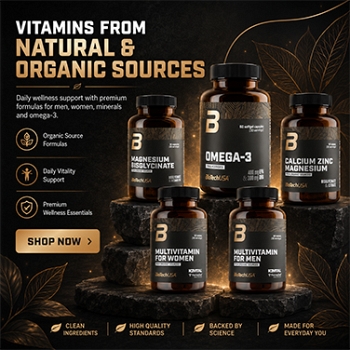
Molybdenum can be included within comprehensive multivitamin and mineral supplements. The category is currently active. One example is BioTech USA Vegan Multivitamin 60 Tabs, whose ingredient list includes sodium molybdate and which is currently listed as available. Which Supplemental Forms Are Available?NIH lists forms including:
Comparative research is insufficient to establish clearly superior bioavailability for any one supplemental form. Be Careful With Excessive IntakeThe European Scientific Committee on Food established a Tolerable Upper Intake Level of 0.6 mg, or 600 μg, molybdenum per day for adults, including pregnant and lactating women. The U.S. adult UL is considerably higher at 2,000 μg/day. Very high chronic molybdenum exposure has been associated with elevated uric acid and gout-like symptoms. For European consumers, the 600 μg/day European UL is the more relevant reference value. ConclusionMolybdenum is an essential trace element involved in enzymes responsible for the metabolism of sulfur-containing amino acids, purines and other compounds. However, deficiency is extremely rare and no increased requirement has been established specifically for athletes. Normal intake from a varied diet is generally sufficient, and there is currently insufficient evidence to support molybdenum supplementation as a strategy for improving athletic performance. FAQDoes molybdenum increase energy?Not directly. It is required by several metabolic enzymes but is neither an energy substrate nor a stimulant. Do athletes need more molybdenum?No separate official requirement has been established for athletes, and higher intake has not been demonstrated to improve performance. How much molybdenum does an adult need?EFSA has established an AI of 65 μg/day for adults. What is the European upper intake level?The European adult UL is 600 μg/day. References
|

Best supplements store
CHOOSE CATEGORY
CATEGORIES









(c) katerelosfitness.gr - All rights reserved - By: Hyper Center -