


 0
0
Astaxanthin and Exercise: Endurance and Recovery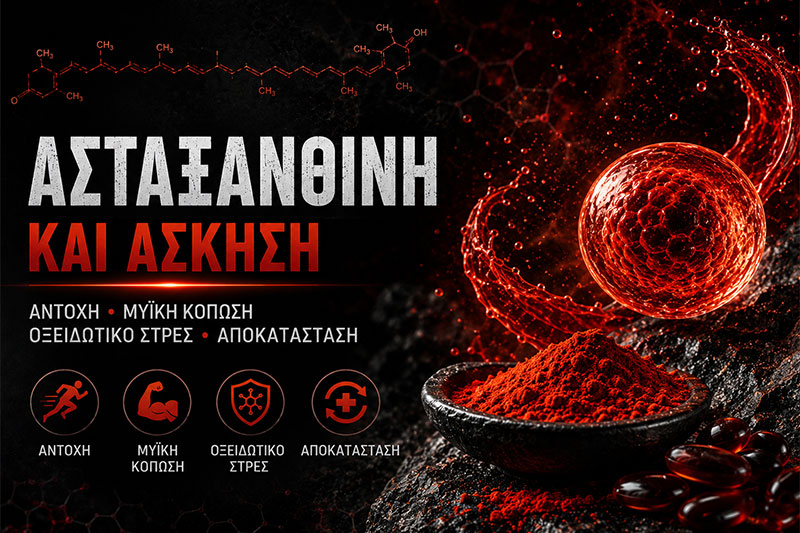 Astaxanthin is a fat-soluble carotenoid pigment found in microalgae, salmon, trout, shrimp and other aquatic organisms. Supplements commonly contain astaxanthin derived from the microalga Haematococcus pluvialis. Interest in sports nutrition primarily concerns its antioxidant activity, possible effects on fat oxidation and potential protection against exercise-related oxidative stress. Astaxanthin has produced positive results in some small human endurance studies, but findings are inconsistent. Certain trials have reported improved cycling performance or lower muscle-damage biomarkers. Others have found no meaningful effect on performance, exercise recovery or fat oxidation. Astaxanthin should therefore not be considered a confirmed ergogenic or fat-loss supplement. Astaxanthin and Endurance PerformanceIn a randomized study involving 21 competitive cyclists, participants received 4 mg of astaxanthin daily for 28 days. Only 14 successfully completed the trial. The astaxanthin group improved its 20 km cycling time-trial result, but the small final sample substantially limits confidence in the finding. Earnest et al., 2011 A later crossover study examined 12 recreationally trained male cyclists who received 12 mg daily for seven days. Completion time for a 40 km cycling trial improved by approximately 51 seconds, or 1.2%, while fat oxidation increased during the final section of the trial. The study was small and included only men. Brown et al., 2021 In contrast, a study involving 32 well-trained male cyclists and triathletes found no improvement in cycling performance, fat oxidation or total antioxidant capacity after 20 mg daily for four weeks. Res et al., 2013 The available evidence suggests that astaxanthin may help under specific conditions, but it does not reliably improve endurance in all athletes. Does Astaxanthin Increase Fat Burning?Fat oxidation during exercise describes the use of fatty acids for energy. It is not equivalent to long-term body-fat loss. Some small studies have reported a lower respiratory exchange ratio and greater fat use during particular stages of cycling. Other well-controlled trials have not reproduced these effects. Even if fat oxidation increases temporarily during a workout, this does not demonstrate a reduction in body weight or body-fat percentage. Long-term energy balance remains the primary determinant of fat loss. Oxidative Stress and Muscle DamageIntense exercise temporarily increases the production of reactive oxygen species. These molecules are not exclusively harmful; they also participate in signalling processes involved in training adaptation. A reduction in an oxidative-stress biomarker therefore does not automatically represent better recovery. In a 2025 crossover trial involving only 10 physically active men, 28 mg of astaxanthin daily for four days increased cycling time to exhaustion. Lower creatine kinase, lactate dehydrogenase and malondialdehyde values were also reported. The extremely small sample and short intervention prevent broad conclusions. Tsao et al., 2025 In a 2026 trial, young male taekwondo athletes received 12 mg daily for 28 days. Selected changes in creatine kinase and superoxide dismutase favoured astaxanthin, but results for oxidative stress and psychological exhaustion were not consistent across all analyses. Shu et al., 2026 Muscle Soreness and RecoveryEvidence concerning delayed-onset muscle soreness is also mixed. A study involving 20 resistance-trained men found no difference in muscle soreness, creatine kinase or muscle performance following eccentric exercise. Participants received 4 mg of astaxanthin daily for three weeks. Bloomer et al., 2005 In another crossover trial, 8 mg daily for four weeks did not reduce muscle soreness, muscle damage or inflammatory responses following prolonged running. Changes were observed in selected immune-related plasma proteins, but their clinical relevance has not been established. Nieman et al., 2023 It has therefore not been confirmed that astaxanthin consistently reduces soreness or accelerates the return to training. Strength and Muscle GrowthThere is insufficient human evidence that astaxanthin increases:
A reduction in selected muscle-damage biomarkers does not necessarily translate into greater strength or muscle growth. Dosage and AdministrationExercise studies have used widely different protocols, generally ranging from 4 to 28 mg daily and lasting from four days to three months. These are research protocols, not an established dosage recommendation for athletes. Astaxanthin is fat-soluble. A pharmacokinetic study found that incorporating it into lipid-based formulations increased bioavailability compared with a reference formulation. Mercke Odeberg et al., 2003 An optimal ergogenic dose has not been established. Higher amounts used in individual trials should not be interpreted as universal supplementation guidance. Safety and PrecautionsEFSA concluded that 8 mg of supplemental astaxanthin per day is safe for adults, even when combined with a high estimated dietary intake. The same assessment found that this combined-exposure scenario may reach or exceed the acceptable daily intake in people under 18. EFSA NDA Panel, 2020 Most human trials have been small and relatively short. People taking medication, managing a medical condition, or who are pregnant or breastfeeding should seek individualized advice from an appropriate healthcare professional. ConclusionAstaxanthin is an interesting carotenoid with potential relevance to oxidative stress and selected aspects of endurance exercise. Some small studies have reported improved cycling performance or lower muscle-damage biomarkers. Others have found no benefit for performance, fat oxidation or recovery. Based on current evidence, astaxanthin cannot be considered a proven ergogenic or fat-loss supplement. Training, adequate nutrition, sleep and appropriate recovery management remain more important determinants of athletic performance. FAQDoes astaxanthin improve endurance?Some small cycling studies have reported improvements, while others found no effect. The overall evidence remains inconsistent. Does astaxanthin increase fat burning?It may alter fat oxidation during specific exercise protocols. It has not been shown to cause body-weight or body-fat loss. Can it reduce muscle soreness?Results are conflicting. Several controlled trials found no meaningful reduction in delayed-onset muscle soreness. Does it increase strength or muscle mass?There is insufficient evidence that astaxanthin increases strength, power or muscle hypertrophy. What dosage has been used in research?Exercise studies have used approximately 4–28 mg daily. No effective ergogenic dosage has been established, and research protocols are not personal recommendations. When should astaxanthin be taken?Because it is fat-soluble, its absorption may be greater when taken with a meal containing fat. Scientific References
|

Best supplements store
CHOOSE CATEGORY
CATEGORIES









(c) katerelosfitness.gr - All rights reserved - By: Hyper Center -