


 0
0



Taurine Dosage, Timing, Safety and Side Effects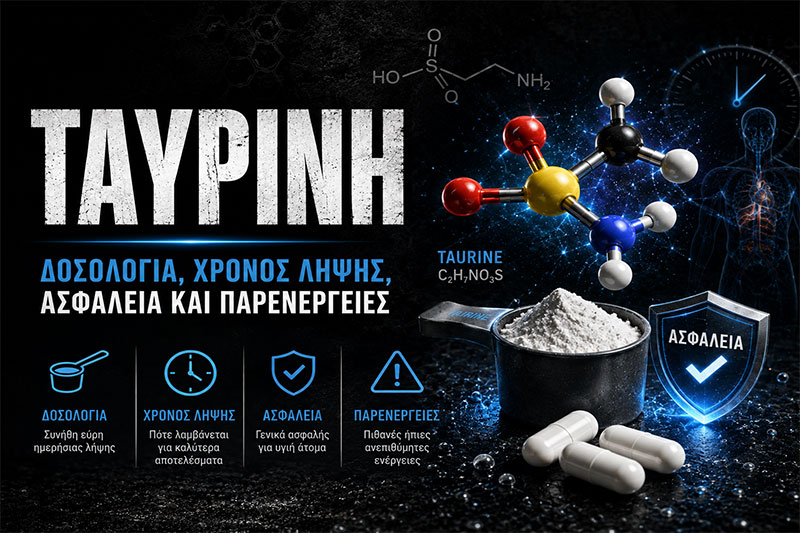 Taurine Dosage, Timing, Safety and Side EffectsThere is no single “correct” taurine dose for every person or purpose. Clinical trials use different amounts, durations and populations. A dose that has been studied is not automatically effective or suitable for every healthy adult. Doses used in researchA 2026 review reported that many human trials have used approximately 1–6 g per day without significant adverse effects under their specific study conditions.[1] This range describes the literature; it is not an official daily recommendation. An earlier risk assessment proposed 3 g/day of supplemental taurine as an Observed Safe Level for healthy adults based on the human evidence available at the time.[2] An Observed Safe Level is not the same as a recommended dose, therapeutic instruction or formally established tolerable upper intake level. EFSA also evaluated taurine in the context of energy-drink exposure and did not identify a safety concern at the exposure levels assessed.[3] This conclusion should not be interpreted as evidence that any amount or combination is safe. Timing and absorptionNo universal optimal timing has been established. In a pharmacokinetic study of eight healthy men, a single 4 g fasting dose reached peak plasma concentration after an average of about 1.5 hours, with a range of 1–2.5 hours.[4] Another small study using 50 mg/kg found a peak at roughly 89 minutes at rest and later when resistance exercise occurred.[5] These results describe absorption under specific experimental conditions. They do not prove that taking taurine exactly 60 or 90 minutes before exercise improves performance. Practical use should follow the product label and, for a clinical objective, professional guidance. Safety and possible adverse effectsTaurine has generally been well tolerated at the doses and durations tested in controlled human trials.[1,2] This does not establish unlimited safety. Evidence for very high doses and continuous multi-year use remains limited. Non-specific gastrointestinal discomfort or individual intolerance may occur, as with many supplements, although controlled trials do not demonstrate a clear, frequent adverse-effect pattern in healthy adults. Persistent symptoms warrant discontinuation and professional advice. People with kidney, liver or cardiovascular disease, those using prescription medication, pregnant or breastfeeding individuals, children and adolescents should seek professional guidance. This caution largely reflects limited population-specific evidence rather than proven toxicity in every case. The safety of isolated taurine should not be confused with that of an energy drink containing caffeine and other active compounds. Labels should be checked for the amount per serving, total daily intake and duplication across multiple products. ConclusionHuman research commonly tests 1–6 g of taurine per day, but there is no universal dose. Small pharmacokinetic studies show plasma peaks approximately 1–2.5 hours after a single dose, without establishing a universally optimal time. Short-term tolerability appears generally favorable under studied conditions, while more evidence is needed for long-term high-dose use. Frequently Asked QuestionsHow much taurine can I take per day?There is no dose suitable for everyone. Research often uses 1–6 g/day, but this is not a personalized recommendation. Must taurine be taken before exercise?Not necessarily. Absorption peaks in roughly 1–2.5 hours in small studies, but an optimal performance timing has not been conclusively established. Can taurine be taken with food?Research does not establish a universal requirement. Follow the product label; taking it with food may be preferable for people with gastrointestinal sensitivity. Does taurine have side effects?It is generally well tolerated at studied doses, but individual intolerance or gastrointestinal discomfort is possible. Can taurine be combined with other supplements?This depends on the full formulation and total amounts. Check for duplicated taurine or caffeine across multiple products. References
|

Best supplements store
CHOOSE CATEGORY
CATEGORIES










(c) katerelosfitness.gr - All rights reserved - By: Hyper Center -