


 0
0



L‑Tyrosine: Functions, Properties and Scientific Evidence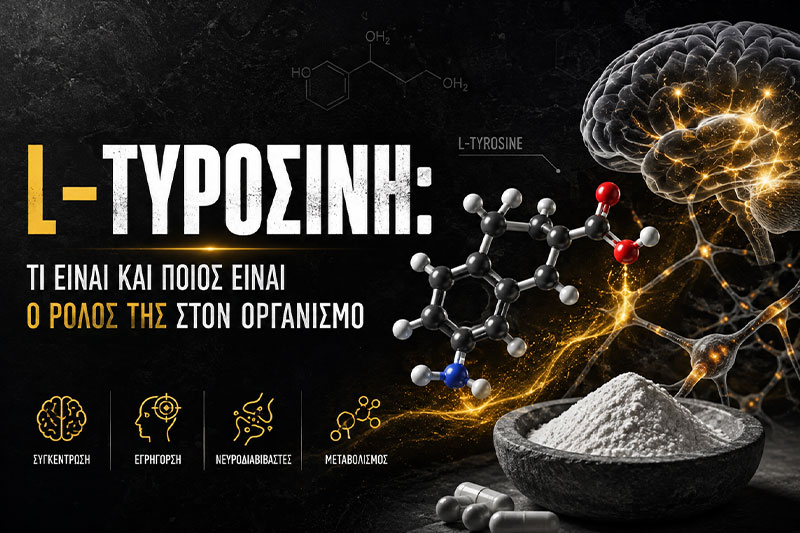 What is L‑tyrosine?L‑tyrosine is an aromatic amino acid and a natural component of human proteins. It is usually classified as nonessential because the body can produce it from phenylalanine through phenylalanine hydroxylase. “Nonessential” describes its dietary requirement under normal conditions; it does not imply that the molecule lacks physiological importance. From tyrosine to catecholaminesTyrosine participates in the pathway: L‑tyrosine → L‑DOPA → dopamine → norepinephrine → epinephrine Tyrosine hydroxylase catalyzes the first, rate-limiting step. Enzyme regulation, cofactor availability, neuronal activity and feedback mechanisms all influence catecholamine synthesis. Supplement intake therefore does not produce a simple, proportional rise in brain dopamine. Transport into the brainTyrosine crosses the blood–brain barrier through a carrier shared with other large neutral amino acids. Competition at this transporter means that the plasma tyrosine-to-LNAA ratio can matter alongside the absolute tyrosine concentration. Intake alone cannot reliably predict brain exposure or a behavioral effect. Thyroid hormones and melaninThyroid hormones are formed by iodination and coupling of tyrosyl residues within thyroglobulin, under tight endocrine and enzymatic regulation. This biochemical role is not evidence that oral tyrosine “activates” the thyroid or treats hypothyroidism. Tyrosine is also an initial substrate in melanin synthesis through tyrosinase. This does not establish that supplements safely or predictably increase tanning or pigmentation. Dietary sources and practical meaningTyrosine is present in dairy products, meat, fish, eggs, soy, legumes, nuts and seeds. Most healthy people obtain tyrosine and its precursor phenylalanine through an adequate, varied diet. Whether supplementation has a rational use depends on the specific situation and evidence—not merely on tyrosine’s biochemical role. FAQIs L‑tyrosine an essential amino acid?Not under normal conditions. The body can synthesize it from phenylalanine. Is L‑tyrosine dopamine?No. It is a precursor within a regulated, multi-step biosynthetic pathway. Is it a stimulant?It is not a conventional stimulant such as caffeine. Research has mainly examined it during acute stress or unusually high cognitive demand. Does it increase thyroid hormones?There is insufficient evidence that supplementation predictably increases thyroid hormones in healthy people. Anyone with thyroid disease or thyroid medication should seek professional advice. Which foods contain tyrosine?Dairy, meat, fish, eggs, soy, legumes, nuts and seeds are common sources. References
References
|

Best supplements store
CHOOSE CATEGORY
CATEGORIES










(c) katerelosfitness.gr - All rights reserved - By: Hyper Center -