


 0
0










L‑Tyrosine Dosage, Timing, Safety and Interactions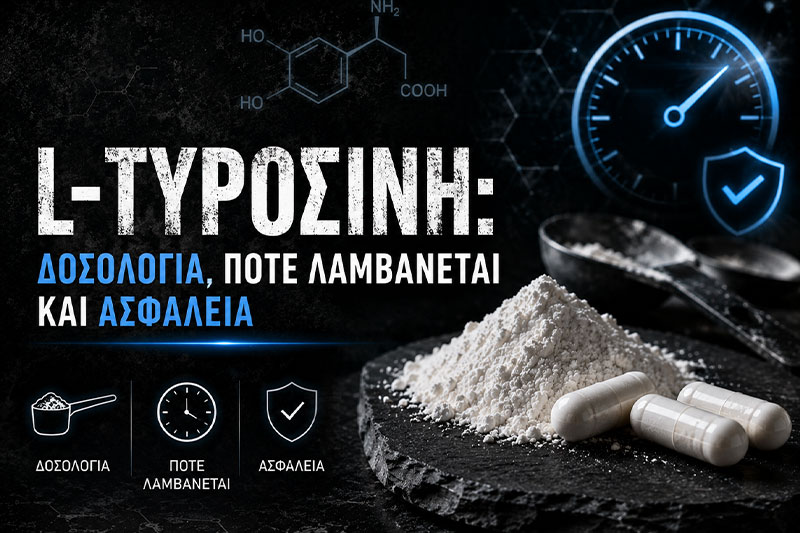 Is there an official daily dose?No Recommended Dietary Allowance or supplement-specific Tolerable Upper Intake Level has been established for L‑tyrosine alone. It occurs naturally in dietary protein and can be synthesized from phenylalanine. A single “correct dose” is therefore not scientifically defensible without defining the purpose, duration, health status and concurrent medication use. Doses used in researchSeveral acute cognitive-stress experiments used 100–150 mg/kg. For a 70 kg adult, that equals 7–10.5 g. These amounts were administered in controlled, often single-dose protocols and should not be converted into routine self-dosing advice. A randomized, double-blind, placebo-controlled crossover trial published in 2026 enrolled 30 healthy adult men and assessed 0, 1, 2, 3 and 4 g/day in four-week periods. It found no clinically meaningful dose-related laboratory abnormalities or serious adverse events. This does not make 4 g a universal safe limit: the study was short, included only healthy men and did not assess higher doses or vulnerable populations. Timing and foodMany acute studies administered tyrosine approximately one hour before the experimental stressor. That is a study protocol, not proof of universally optimal timing. Tyrosine competes with other large neutral amino acids for transport, including transport across the blood–brain barrier. Protein-rich meals can change these ratios, but a single clinically proven empty-stomach rule has not been established across all doses and purposes. Medication considerationsLevodopa: Levodopa and large neutral amino acids interact with related intestinal and blood–brain barrier transport systems. People taking levodopa should not add high-dose amino-acid supplements without advice from their neurologist or pharmacist. Monoamine oxidase inhibitors: The established food interaction concerns tyramine, not tyrosine. They are different compounds. Nevertheless, because MAO inhibitors have clinically serious interaction profiles, any amino-acid supplement affecting catecholamine pathways should be reviewed by the prescriber or pharmacist. Thyroid disorders and medication: Tyrosine’s presence in thyroid hormone biochemistry is not evidence that it treats thyroid disease. People with thyroid disease or thyroid medication need individualized professional guidance. Pregnancy, breastfeeding, childhood and significant chronic disease remain insufficiently studied for supplemental doses. Self-administration should be avoided in these groups. FAQWhat is the correct L‑tyrosine dose?There is no universal dose. Research doses of 100–150 mg/kg belong to specific acute protocols and are not routine recommendations. Should it be taken before an activity?Many studies used dosing about one hour beforehand, but this does not prove that the same timing is optimal for every purpose. With or without food?Other amino acids can affect transport, but no single clinical rule applies to everyone. Follow the label and qualified professional advice. Is daily use safe?A short-term trial found no clear safety signal up to 4 g/day for four weeks in healthy men. It did not establish safety for everyone, higher doses or long-term use. Which medications require caution?Professional review is especially important with levodopa, MAO inhibitors and thyroid medication, and whenever a significant medical condition is present. References
|

Best supplements store
CHOOSE CATEGORY
CATEGORIES










(c) katerelosfitness.gr - All rights reserved - By: Hyper Center -