


 0
0





L‑Tryptophan: Functions, Serotonin and Melatonin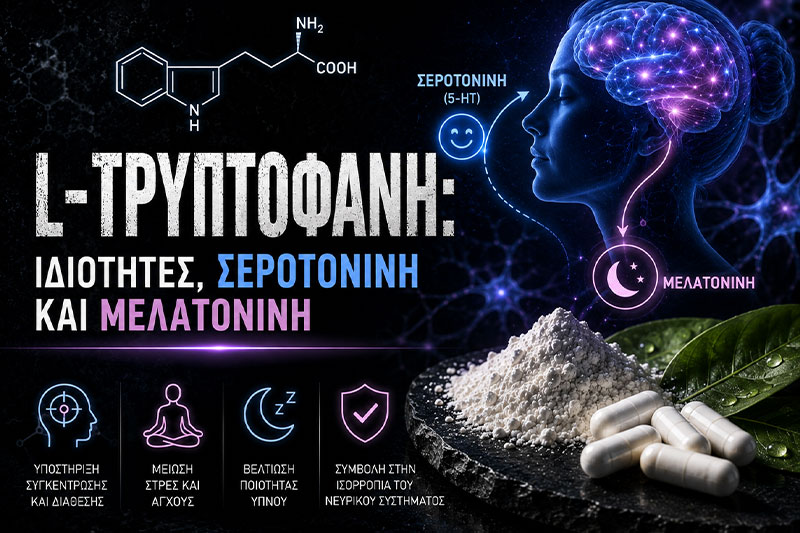 What is L‑tryptophan?L‑tryptophan is one of the nine essential amino acids in humans. It contributes to protein synthesis and serves as a substrate for several metabolic pathways. In serotonergic cells, tryptophan is converted to 5‑hydroxytryptophan and then serotonin. Serotonin can subsequently serve as a substrate for melatonin synthesis in the pineal gland. Enzymatic regulation means that oral intake does not translate linearly into higher serotonin, melatonin or improved mood. The kynurenine pathwayMost tryptophan metabolism proceeds through the kynurenine pathway, producing several bioactive metabolites and contributing to NAD⁺ synthesis. Inflammation, stress hormones and immune signaling can alter pathway activity. Gut microorganisms can also convert tryptophan into indole derivatives. This microbiome-related pathway is scientifically important but does not independently prove a clinical benefit from supplements. Brain transport and dietary sourcesTryptophan competes with other large neutral amino acids for transport across the blood–brain barrier. Brain availability therefore depends partly on the plasma tryptophan-to-competing-amino-acid ratio rather than intake alone. Dietary sources include eggs, dairy, meat, poultry, fish, soy, legumes, nuts and seeds. An adequate varied diet usually meets the physiological needs of healthy adults. FAQIs L‑tryptophan essential?Yes. It must be obtained through the diet. Is tryptophan serotonin?No. It is a precursor in a regulated pathway. Is it the same as melatonin?No. Melatonin is a different molecule synthesized downstream from serotonin. Does all tryptophan become serotonin?No. A larger proportion is metabolized through the kynurenine pathway. Which foods contain tryptophan?Eggs, dairy, meat, fish, soy, legumes, nuts and seeds are common sources. References
|

Best supplements store
CHOOSE CATEGORY
CATEGORIES








(c) katerelosfitness.gr - All rights reserved - By: Hyper Center -