


 0
0











L-Lysine: Dosage, Safety and Interactions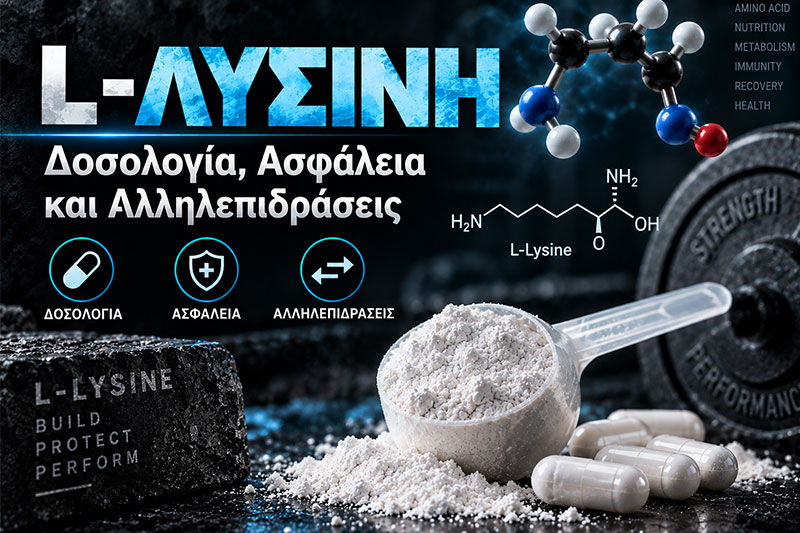 There is no universal L-lysine supplement dosage for everyone. A dietary requirement is not the same as a supplement dose, and an appropriate amount depends on purpose, diet and health status. Systematic reviews of human studies primarily identified gastrointestinal symptoms such as nausea, abdominal pain and diarrhea. A provisional no-observed-adverse-effect level of 6 g/day proposed by researchers is neither a recommended intake nor an official upper limit. Dietary requirement versus supplement doseA dietary requirement describes lysine needed from the whole diet. A supplement provides intake in addition to food. The fact that lysine is needed daily does not mean a supplement is required when food intake already meets physiological needs. What amounts have studies examined?A systematic review of 71 human studies identified supplemental intakes ranging from 16.8 to 17,500 mg/day and durations from one to 1,095 days. This range describes research protocols and is not a dosage recommendation. The review proposed a provisional no-observed-adverse-effect level of 6,000 mg/person/day, principally on the basis of gastrointestinal symptoms. This figure is not an intake target, an efficacy dose or a guarantee of safety for every individual. What side effects have been reported?The most common reported effects involved the gastrointestinal tract, including nausea, abdominal discomfort or pain, and diarrhea. Tolerability may depend on amount, formulation, food intake and individual sensitivity. Persistent or severe symptoms warrant stopping the product and consulting a health professional. Is long-term use safe?Some trials were relatively long, but available evidence does not cover every population, medical condition, combination of supplements or medication. A lack of frequent serious events in trials cannot prove unlimited-duration safety at high doses. Children, pregnant or breastfeeding individuals, and people with kidney or liver disease require particular caution because condition-specific evidence is limited or clinical management differs. Are there drug interactions?Clinical literature has not comprehensively mapped all potential interactions of supplemental L-lysine. It should therefore not be described as having “no interactions.” Anyone taking regular medication should seek individualized advice from a physician or pharmacist. Total intake also needs attention when multiple amino-acid products are used. What about lysine and herpes simplex?Lysine has been studied for the prevention of herpes simplex recurrence, partly because of its theoretical relationship with arginine. Trials are generally old, small and heterogeneous. A literature review found inconsistent results at lower amounts and limited positive findings at higher amounts, but no convincing evidence for treating active lesions. L-lysine should not be presented as a herpes treatment or used to replace diagnosis and indicated antiviral therapy. Who should obtain professional advice first?This is particularly relevant for pregnant or breastfeeding individuals, children, people with kidney or liver disease, those with amino-acid metabolism disorders, people taking regular medicines, and anyone considering high-dose or long-term use. ConclusionL-lysine is an essential nutrient, but that does not make every supplemental amount necessary or risk-free. Available human evidence mainly identifies gastrointestinal complaints. There is no single dose for everyone, and a research-derived safety value must not be interpreted as a recommended intake. FAQWhat is the correct L-lysine dosage?There is no dose that is appropriate for everyone. Purpose, total dietary intake, age and health status must be considered, along with label directions and professional advice. Is 6 g of L-lysine per day safe?Six grams per day was proposed in a systematic review as a provisional no-observed-adverse-effect level, not as a recommended dose. It does not guarantee safety for every person. What are the most common side effects?Reported effects most often include nausea, abdominal discomfort or pain, and diarrhea. Can L-lysine be taken with medicines?Interactions have not been comprehensively studied. Anyone taking medicines should consult a physician or pharmacist. Does lysine treat cold sores?No. Evidence is inconsistent and does not establish treatment of active herpes lesions. It should not replace approved antiviral therapy. Can it be used during pregnancy or breastfeeding?Unsupervised use is not advisable because specific safety evidence is limited. Clinical advice is required. References
|

Best supplements store
CHOOSE CATEGORY
CATEGORIES










(c) katerelosfitness.gr - All rights reserved - By: Hyper Center -