


 0
0

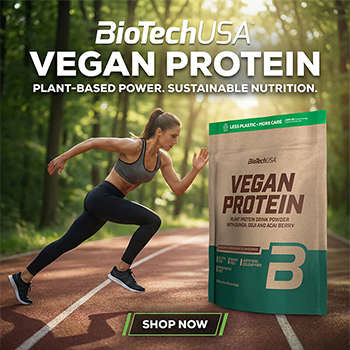
Unflavoured Protein Powder: Uses and How to Choose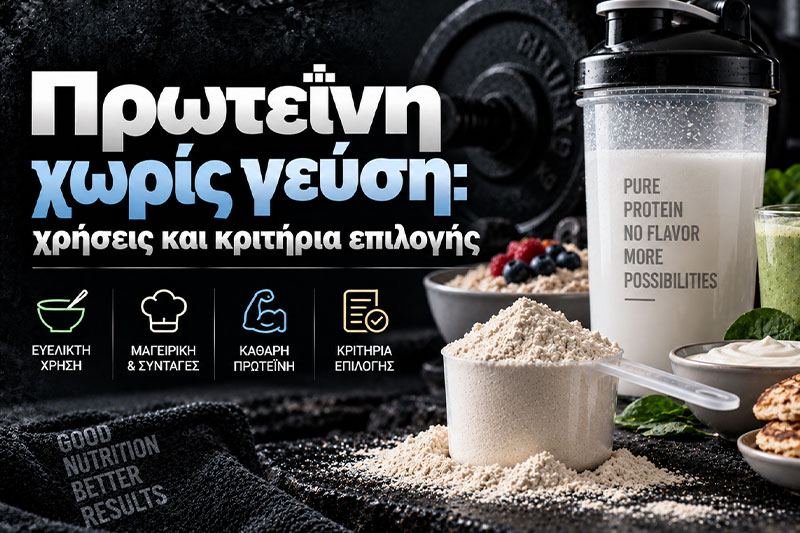 Unflavoured Protein Powder: Uses and Who It SuitsUnflavoured protein powder is a practical option for adding to different meals and drinks without a specific flavour profile, such as chocolate or vanilla. It does not necessarily mean the powder is completely tasteless or contains only one ingredient. What should be checked on the label?Start with the protein source, the amount of protein per serving and the ingredient list. If the aim is to avoid sweeteners, flavourings or particular allergens, check these separately. The term “unflavoured” alone does not establish that a product is lactose-free, sugar-free or suitable for a plant-based diet. Where can it be used?
These are practical ideas that should be adapted to the product instructions. Protein powder does not automatically replace an equal amount of flour: protein behaviour in food depends on temperature, pH and the other ingredients. Kinsella and Whitehead, 1989 How is the added protein calculated?Use the nutrition information for the specific product. Hypothetical example: If the label lists 80 g of protein per 100 g of powder, 15 g of powder adds 12 g of protein. The other ingredients also count towards the finished meal’s nutritional values. Using the powder makes sense when it helps meet a dietary need. Daily protein requirements can also be met through food, without necessarily using powder. Jäger et al., 2017 Frequently asked questionsDoes it always contain more protein than the flavoured version? Can it change the texture of food? Is it better for muscle growth because it is unflavoured? References |

Best supplements store
CHOOSE CATEGORY
CATEGORIES









(c) katerelosfitness.gr - All rights reserved - By: Hyper Center -