


 0







Training in the Heat: Hydration and Practical Preparation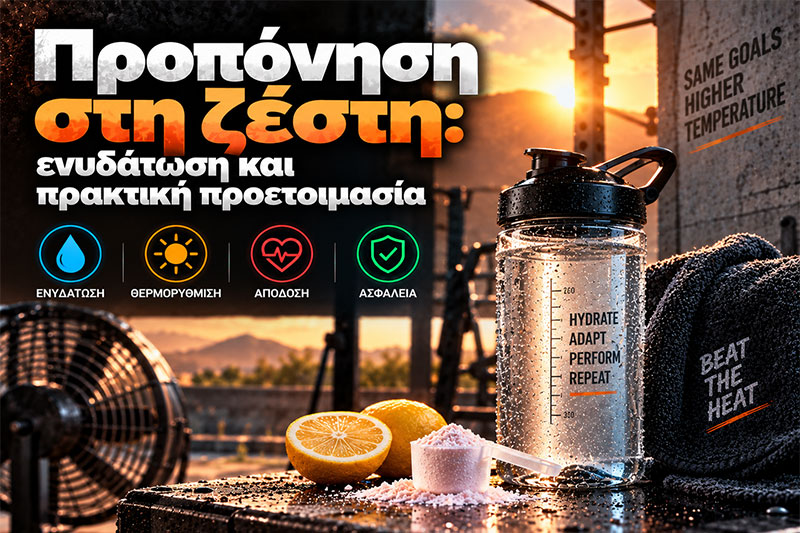 Training in the Heat: How Should You Plan Hydration?Training in the heat requires adjustments to the whole plan: timing, intensity, breaks and fluid intake. High temperatures increase physiological strain and can reduce endurance performance. Racinais et al., 2015 Start with the conditionsBefore heading out, organise four practical details:
For example, a loop near available water allows easier adjustments than a remote route without stopping points. Is gradual adaptation necessary?Repeated exposure to exercise in the heat over approximately 1–2 weeks can support heat acclimation. This does not mean suddenly increasing difficulty or training to exhaustion. Adaptation should be gradual. Racinais et al., 2015 How should you organise your drinks?Start adequately hydrated and adjust replacement to the conditions. When sweat losses are substantial, sodium replacement also deserves consideration. Racinais et al., 2015 Record what each bottle contains and how much you actually consume. A bottle you carry but do not drink does not count towards intake. When must exercise stop immediately?Confusion, collapse or altered consciousness during exercise in the heat require emergency help: call 112 and begin cooling. Do not wait for a drink alone to resolve these symptoms. Casa et al., 2015 Frequently asked questionsDoes being well hydrated rule out heat stroke? Should I insist on maintaining my usual pace? What is useful to record? References
|

Best supplements store
CHOOSE CATEGORY
CATEGORIES










(c) katerelosfitness.gr - All rights reserved - By: Hyper Center -