0
0


ΕΠΙΛΟΓΕΣ Latest entries in category Amino Acids |
 |
|

Best supplements store
CHOOSE CATEGORY
CATEGORIES
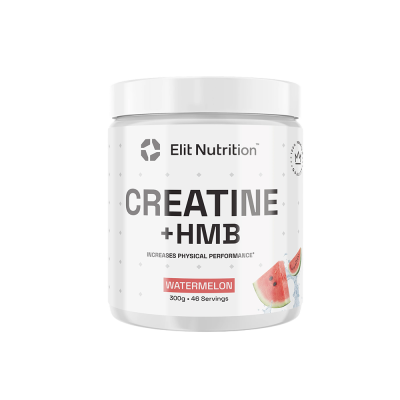
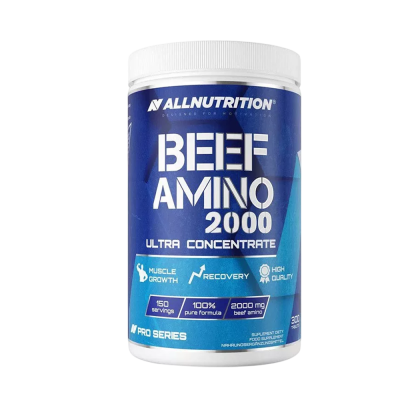
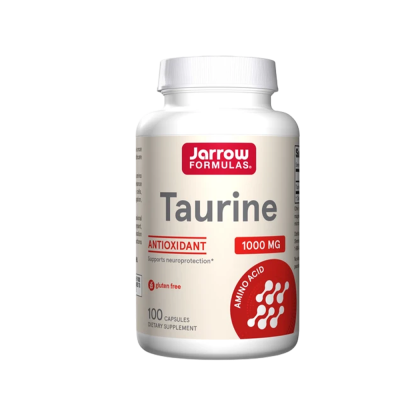
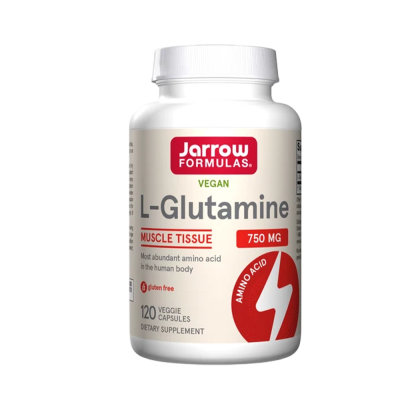












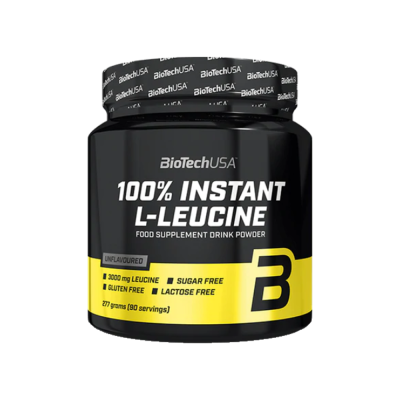


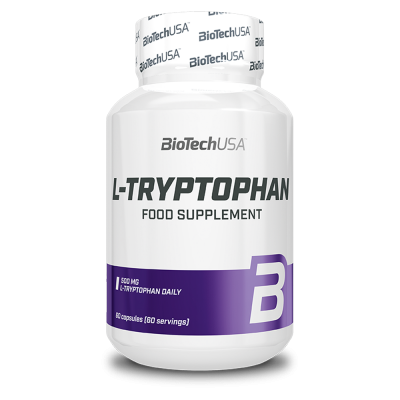
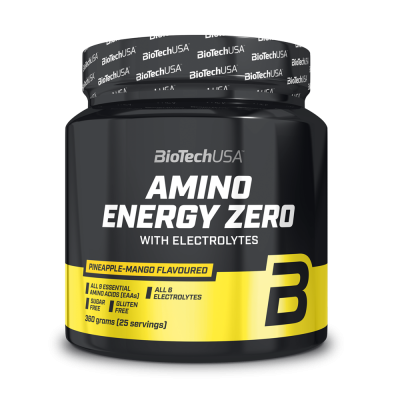
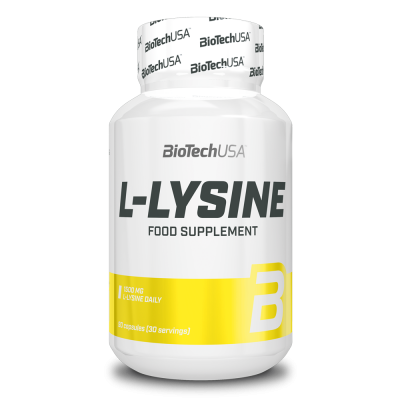










INTERESTING ARTICLES
-
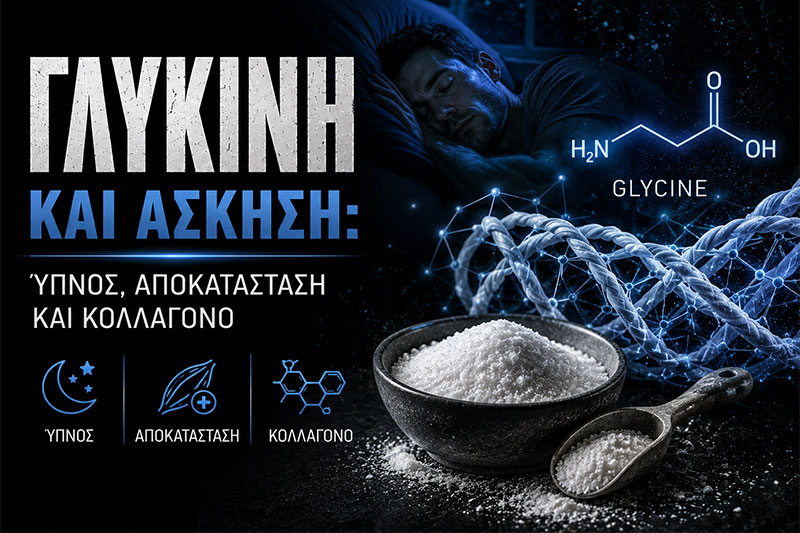
Glycine and Exercise: Sleep, Recovery and Collagen
What research shows about glycine, sleep quality, muscle recovery, collagen synthesis and athletic performance.
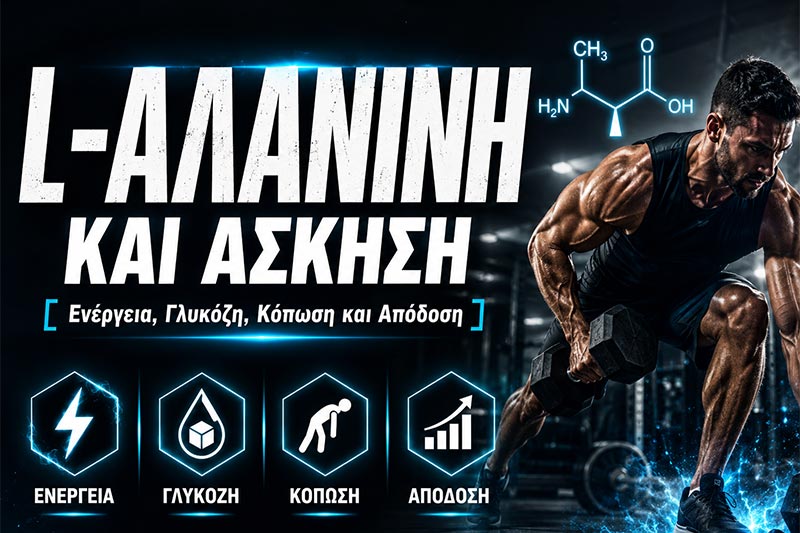
L-Alanine and Exercise: Glucose, Energy, Fatigue and Performance
What is L-Alanine and what role does it play during exercise? Explore the glucose-alanine cycle, energy metabolism, nitrogen transport, recovery and athletic performance.
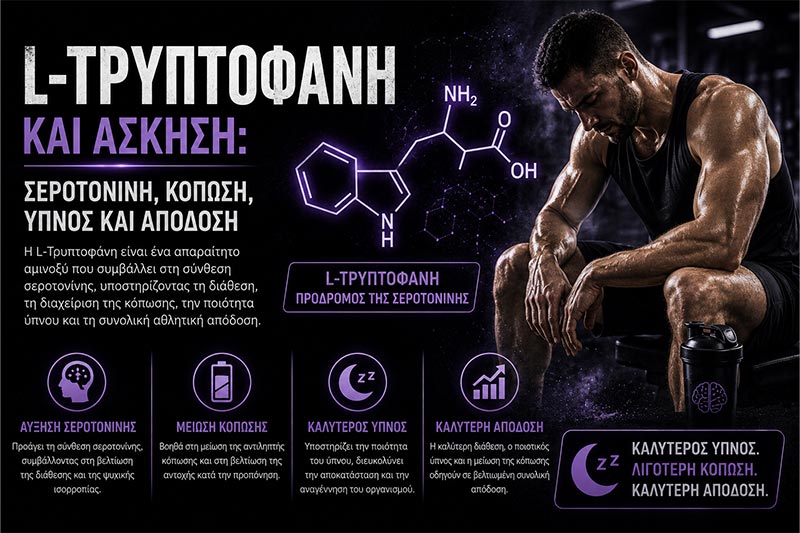
L-Tryptophan and Exercise: Serotonin, Fatigue, Sleep and Performance
What is L-Tryptophan and how does it relate to exercise? Explore its role in serotonin, central fatigue, sleep, endurance and strength performance.
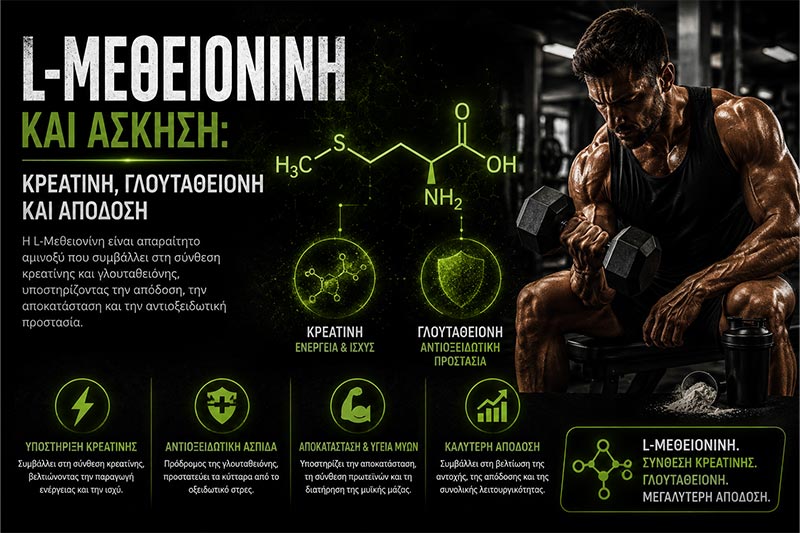
L-Methionine and Exercise: Creatine, Glutathione and Performance
What role does L-Methionine play in exercise? Explore its relationship with protein synthesis, methylation, creatine production, glutathione, homocysteine and athletic performance.
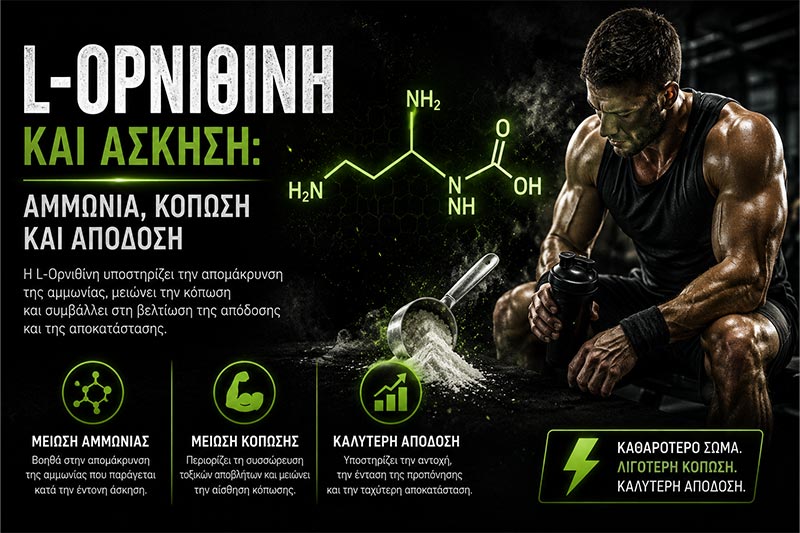
L-Ornithine and Exercise: Ammonia, Fatigue and Performance
What is L-Ornithine and does it improve exercise performance? Explore its role in the urea cycle and the evidence on ammonia, fatigue, endurance and anaerobic performance.
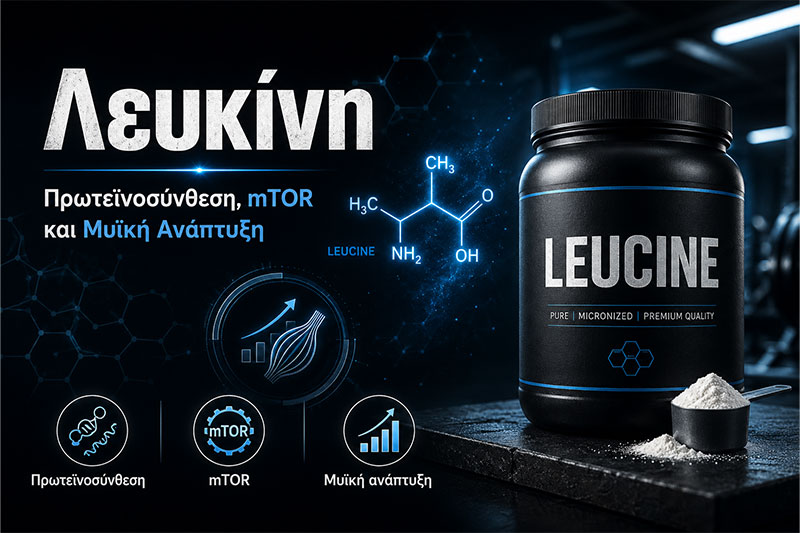
Leucine: Muscle Protein Synthesis, mTOR and Dosage
Learn how leucine activates muscle protein synthesis, how much is needed per meal and whether isolated leucine improves muscle growth and recovery.
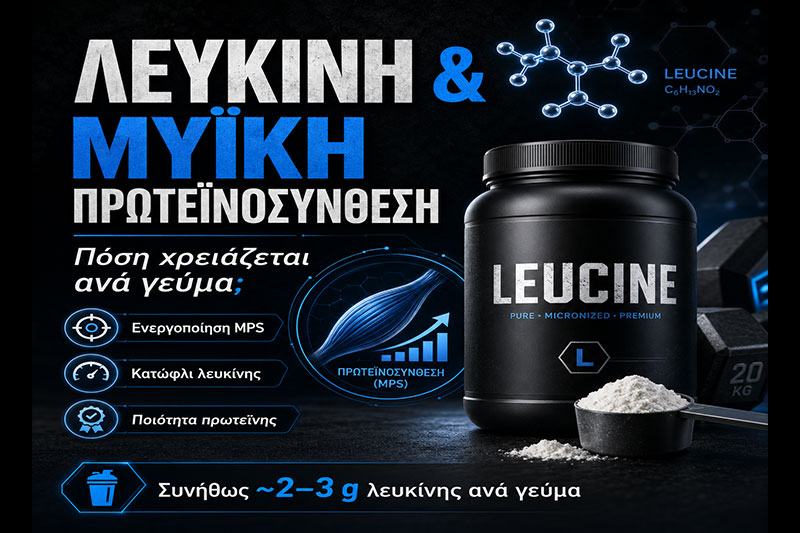
Leucine for Muscle Protein Synthesis: Dose and Timing
Learn how leucine triggers muscle protein synthesis, how much is needed per meal and when standalone supplementation may be useful.
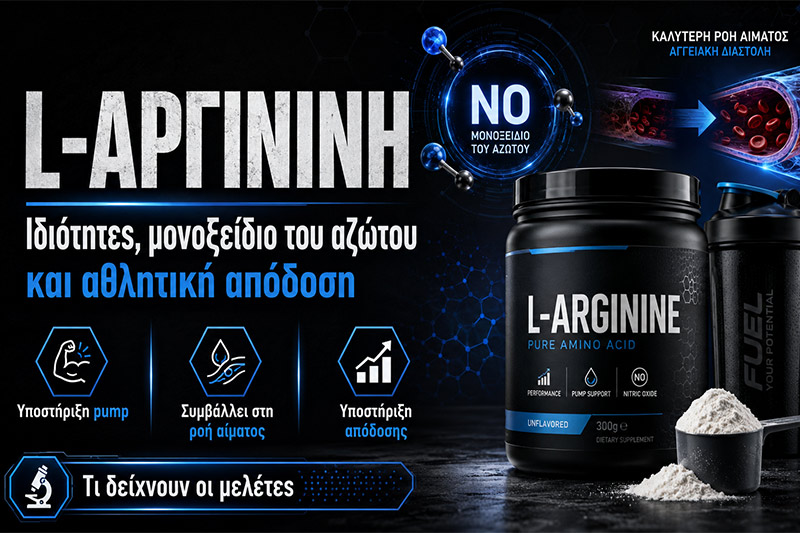
L-Arginine Benefits, Blood Flow and Exercise Performance
Learn how L-arginine relates to nitric oxide, blood flow, muscle pump and exercise performance, including dosage and safety.
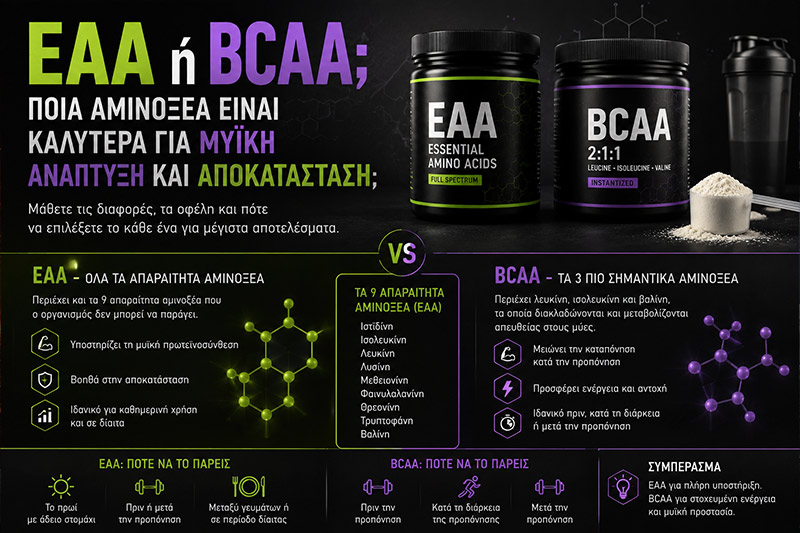
EAA vs BCAA: Which Is Better for Muscle Growth?
Compare EAA and BCAA supplements and learn which option better supports muscle protein synthesis, recovery and lean-mass maintenance.
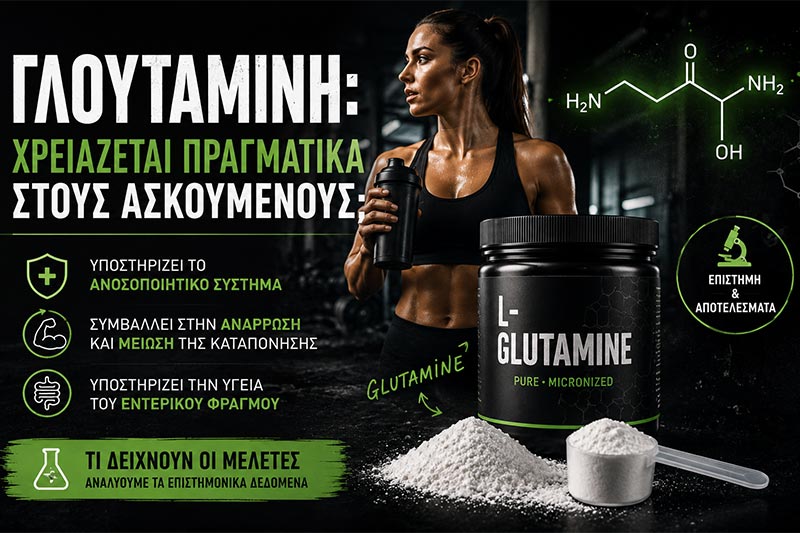
Glutamine Supplements: Benefits and Evidence
Learn what glutamine does, whether it increases muscle growth and when supplementation may be relevant for active individuals.
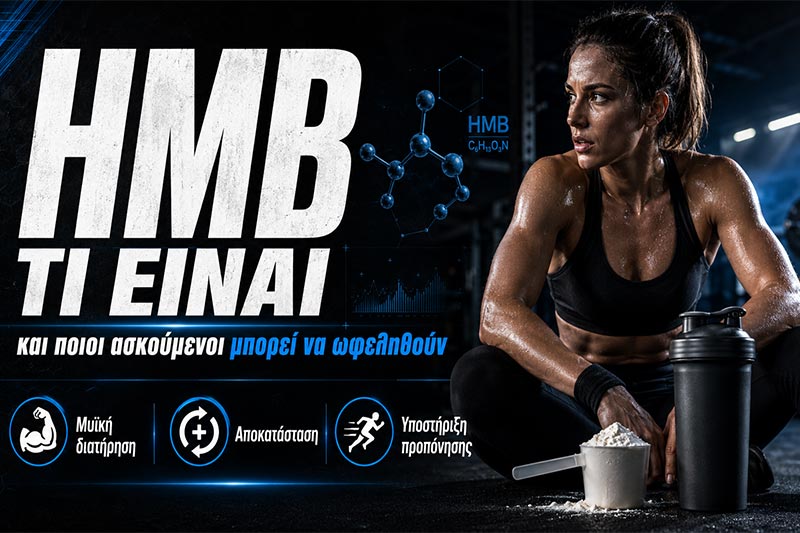
HMB Supplement: Benefits, Dosage and Uses
Learn what HMB is, how it relates to leucine, who may benefit from it and what research says about recovery and performance.
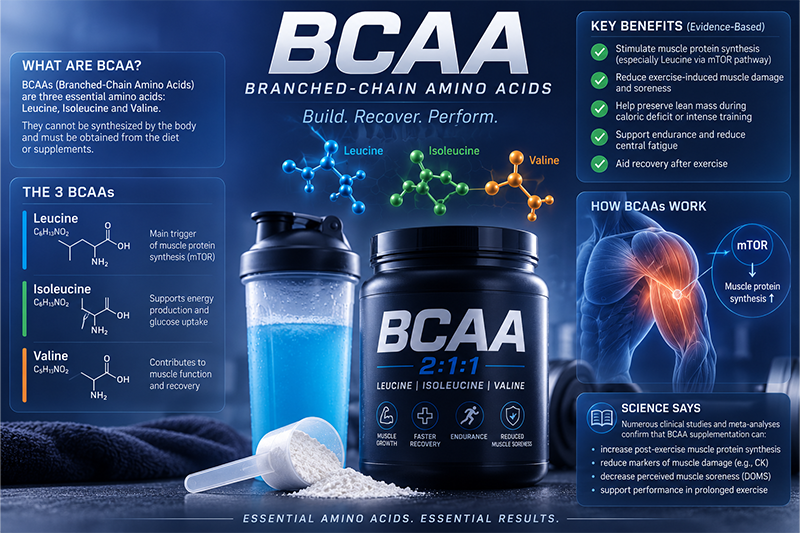
BCAA: When to Take, Dosage, Ratio and Side Effects
Complete guide to using BCAA before or after training, 2:1:1 ratios, muscle recovery, dosage and safety.
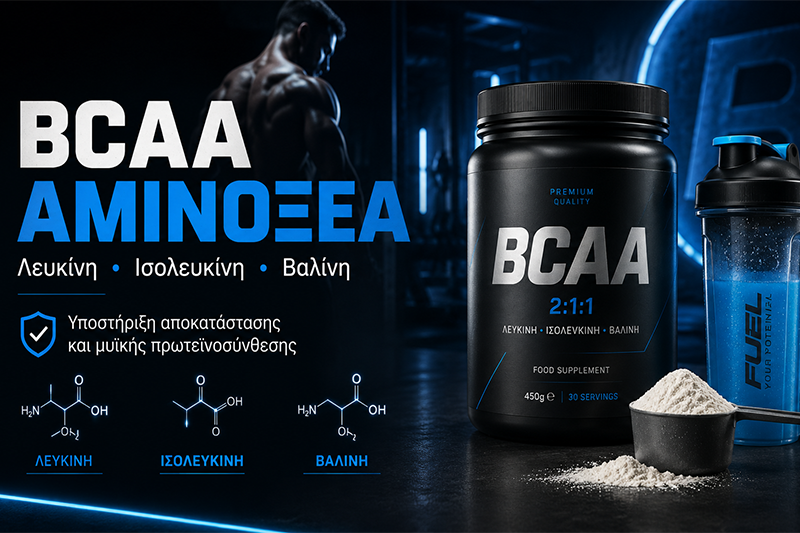
BCAA Amino Acids: Benefits, Muscle Growth and Scientific Data
What are BCAA amino acids, how do they affect muscle protein synthesis, muscle performance and growth, and when does it make sense to supplement them?