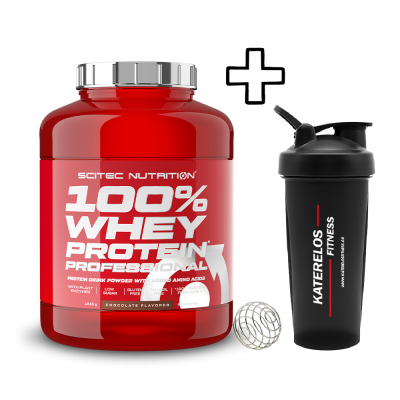
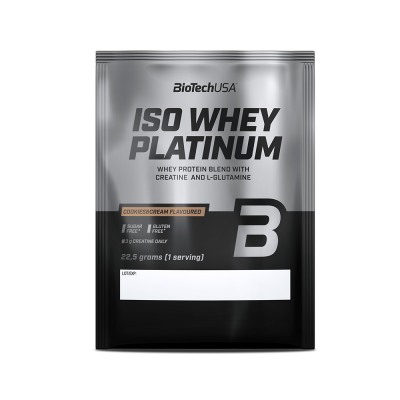
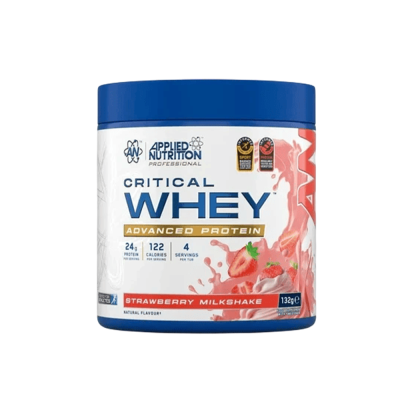
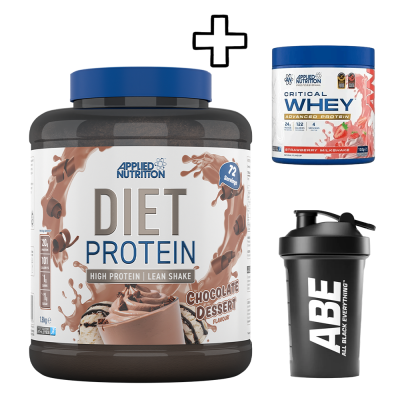
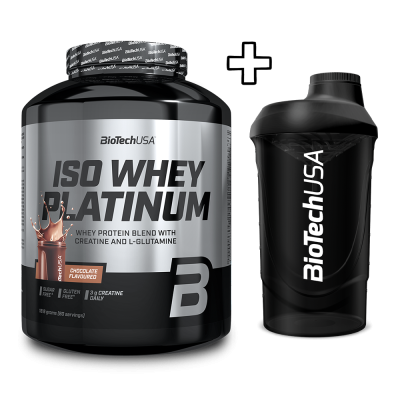
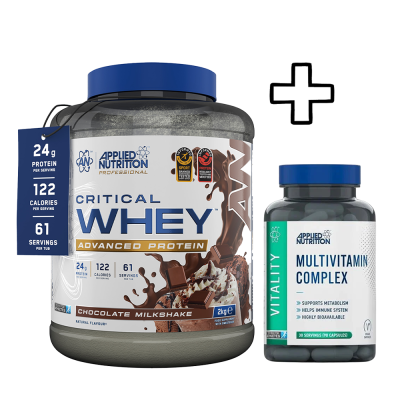
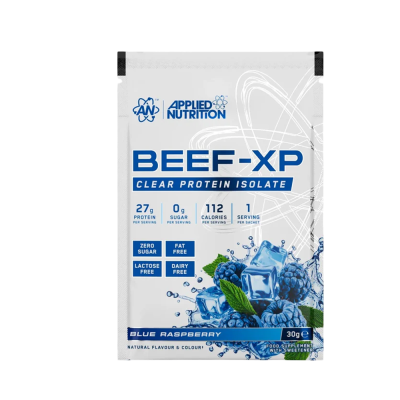
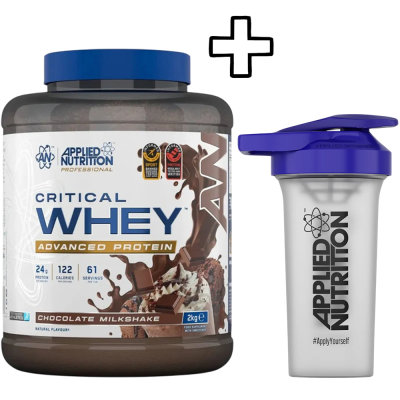
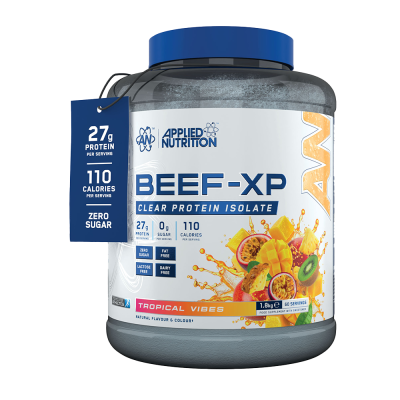
Whey protein is one of the world's most popular and scientifically researched dietary supplements. It is widely used by athletes, bodybuilders, and active individuals to support muscle growth, improve recovery, and help meet daily protein requirements.
Whether your goal is building lean muscle, maintaining muscle mass during weight loss, or improving recovery after training, whey protein is one of the most effective and convenient nutritional tools available.
What Is Whey Protein?
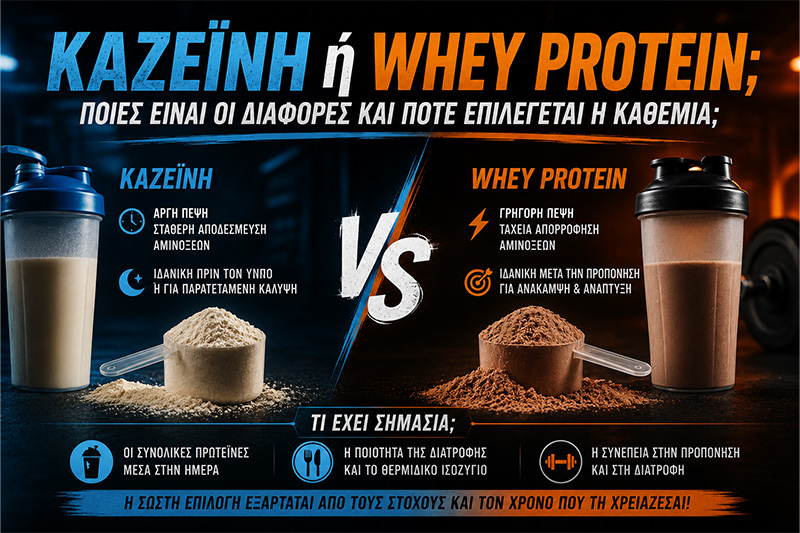
Whey protein is a high-quality protein naturally derived from milk during the cheese-making process. It contains all nine essential amino acids (EAAs) that the human body cannot produce on its own, making it a complete protein.
It is especially rich in branched-chain amino acids (BCAAs), particularly leucine, which plays a key role in stimulating muscle protein synthesis (MPS)—the process responsible for muscle growth and repair.
Benefits of Whey Protein
Scientific research has consistently shown that adequate protein intake can help:
- Support muscle growth and development.
- Preserve lean muscle mass during calorie restriction.
- Improve post-workout recovery.
- Enhance adaptations to resistance training.
- Increase satiety and support healthy weight management.
- Help maintain normal bone health as part of a balanced diet.
- Contribute to overall daily protein intake in physically active individuals.
Types of Whey Protein
Whey Protein Concentrate (WPC)
Whey Protein Concentrate typically contains 70–80% protein, along with small amounts of carbohydrates and fats.
Benefits
- Excellent taste.
- Great value for money.
- High biological value.
- Ideal for most active individuals.
Whey Protein Isolate (WPI)
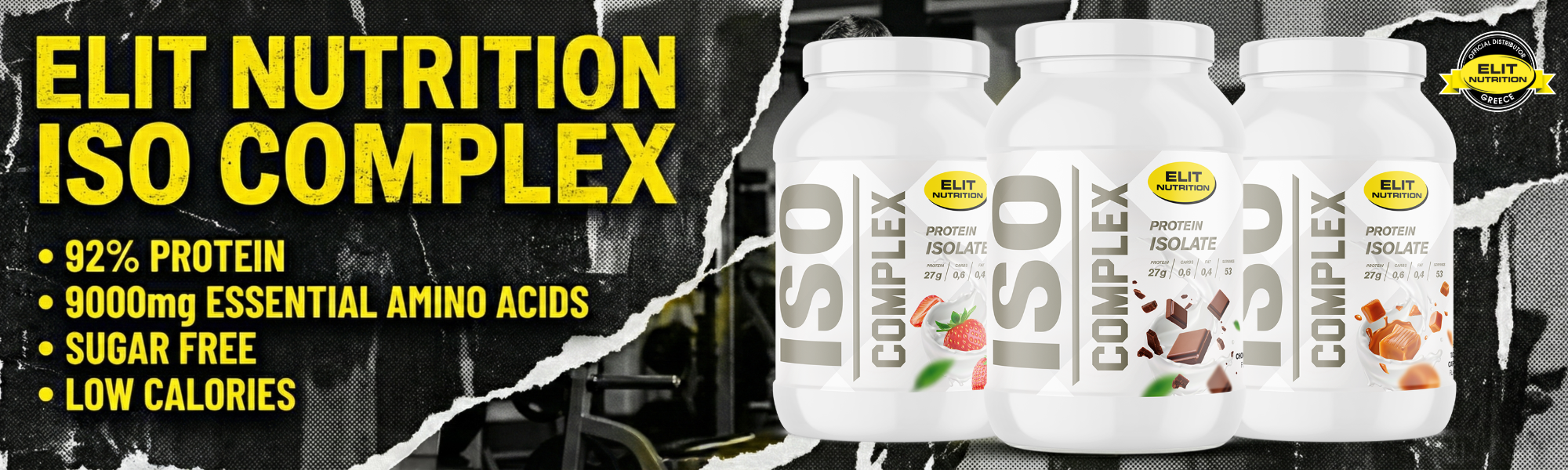
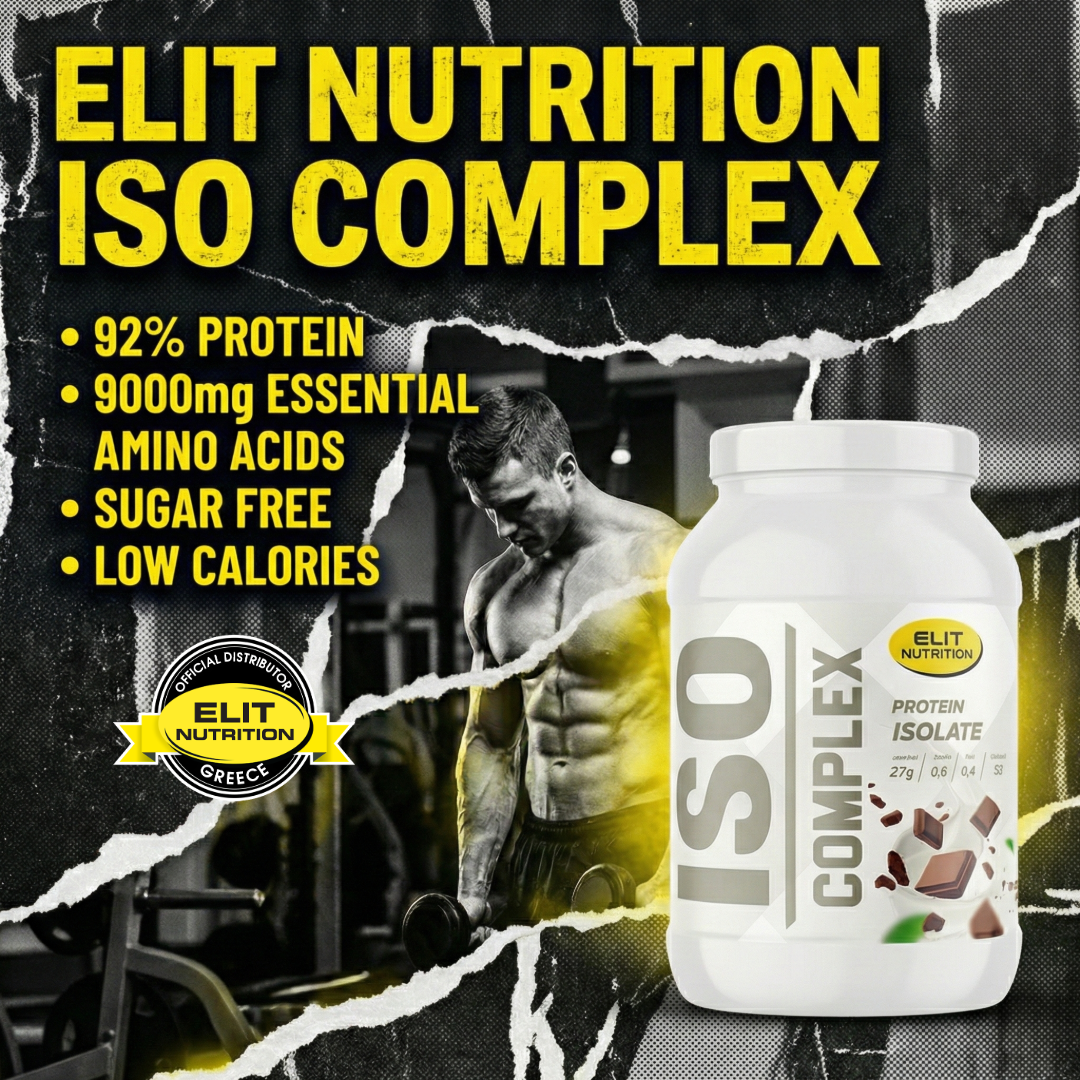
Whey Protein Isolate contains 90% or more protein, with very low levels of carbohydrates, lactose, and fat.
It is an excellent choice for:
- Lean muscle building.
- Cutting phases.
- Individuals with lactose sensitivity.
- Athletes seeking maximum protein purity.
Whey Protein Hydrolysate (WPH)
Hydrolyzed whey protein has been partially broken down into smaller peptides, allowing for faster digestion and absorption.
It is commonly preferred by:
- Competitive athletes.
- Individuals requiring rapid post-workout recovery.
- Those looking for premium protein supplementation.
When Should You Take Whey Protein?
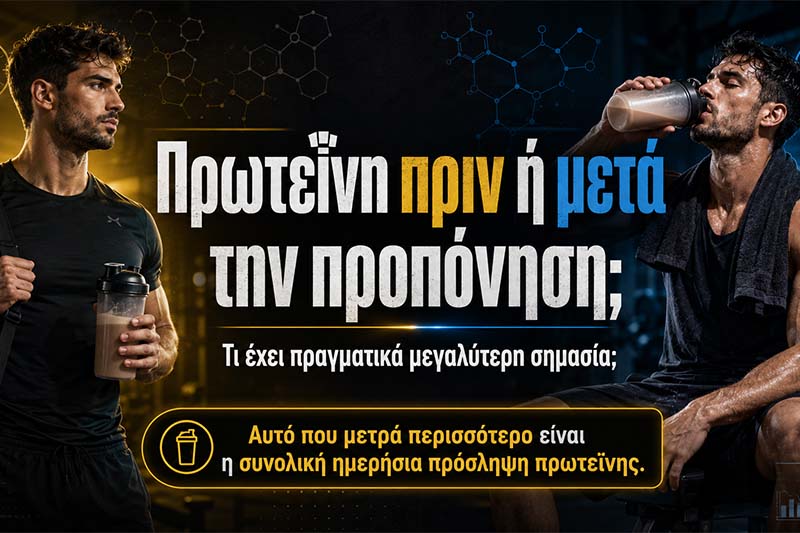
Whey protein can be consumed at any time of the day to help meet daily protein requirements.
The most common times include:
- After training.
- At breakfast.
- Between meals.
- Whenever daily protein intake is insufficient.
Current scientific evidence suggests that total daily protein intake is more important than the exact timing of consumption.
How Much Protein Do You Need?
Protein requirements vary depending on activity level and fitness goals.
General recommendations are:
- Sedentary adults: 0.8 g/kg of body weight per day
- Recreationally active individuals: 1.2–1.6 g/kg/day
- Strength and resistance-trained athletes: 1.6–2.2 g/kg/day
- During calorie restriction to preserve muscle mass: up to 2.4 g/kg/day in some cases.
Is Whey Protein Safe?
Yes.
Numerous scientific studies have demonstrated that whey protein is safe for healthy adults when consumed within recommended dietary guidelines.
Current evidence does not support the claim that higher protein intake causes kidney damage in healthy individuals.
People with pre-existing kidney disease should consult a qualified healthcare professional before increasing protein intake or using protein supplements.
Common Myths About Whey Protein
❌ Whey protein is an anabolic steroid.
False. Whey protein is a natural protein extracted from milk and is simply a convenient source of dietary protein.
❌ Whey protein causes weight gain.
Weight gain occurs when total calorie intake exceeds calorie expenditure—not because of protein itself.
❌ Only bodybuilders need protein supplements.
False. Whey protein can benefit anyone who struggles to consume enough high-quality protein through food alone, including active adults and older individuals.
Conclusion
Whey protein remains one of the safest, most effective, and best-researched nutritional supplements available.
Its high biological value, complete amino acid profile, rapid digestibility, and rich leucine content make it an excellent choice for supporting muscle growth, enhancing recovery, maintaining lean body mass, and meeting daily protein requirements.
When combined with regular resistance training and a balanced diet, whey protein can play an important role in helping individuals achieve their health and fitness goals.
References
- Jäger R, Kerksick CM, Campbell BI, et al. International Society of Sports Nutrition Position Stand: Protein and Exercise. Journal of the International Society of Sports Nutrition. June 20, 2017.
- Morton RW, Murphy KT, McKellar SR, et al. A Systematic Review, Meta-analysis and Meta-regression of the Effect of Protein Supplementation on Resistance Training-Induced Gains in Muscle Mass and Strength. British Journal of Sports Medicine. July 11, 2017.
- European Food Safety Authority (EFSA). Scientific Opinion on Dietary Reference Values for Protein. 2012.
- Harvard T.H. Chan School of Public Health. The Nutrition Source – Protein. Last updated: 2023.