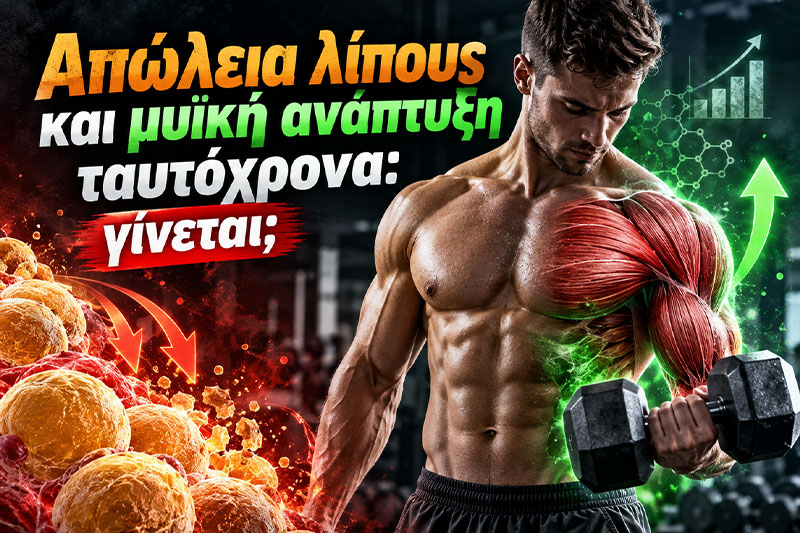
Losing body fat is one of the most common fitness goals among athletes and recreational gym-goers alike. Fat burners are dietary supplements designed to support fat loss by increasing energy expenditure, enhancing exercise performance, and promoting fat oxidation. However, they are not a substitute for a healthy diet and regular exercise.
This article explains what fat burners are, how they work, which ingredients have scientific support, and how to choose the right supplement.
What Are Fat Burners?
Fat burners are dietary supplements formulated with ingredients that may help:
- Increase thermogenesis (calorie expenditure).
- Enhance fat oxidation during exercise.
- Improve energy and mental focus.
- Support training performance while following a calorie-restricted diet.
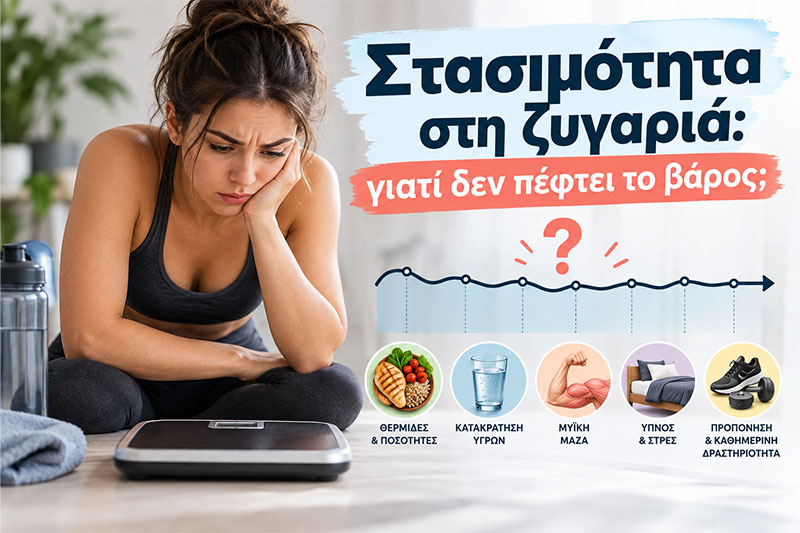
It is important to understand that no fat burner can replace a calorie deficit, which remains the key factor for successful weight loss.
How Do Fat Burners Work?
Most fat burners act through one or more of the following mechanisms:
1. Thermogenesis
Certain ingredients may slightly increase the body's energy expenditure by stimulating heat production.
2. Increased Energy
Ingredients such as caffeine can improve alertness, reduce fatigue, and enhance workout intensity.
3. Fat Oxidation
Some compounds may help the body utilize stored fat as an energy source, particularly during exercise.
The Most Scientifically Supported Ingredients
Caffeine
Caffeine is the most extensively researched ingredient in fat-burning supplements.
Research has shown that caffeine may:
- Improve exercise performance.
- Increase alertness and focus.
- Enhance thermogenesis.
- Promote greater fat oxidation during exercise.
Green Tea Extract
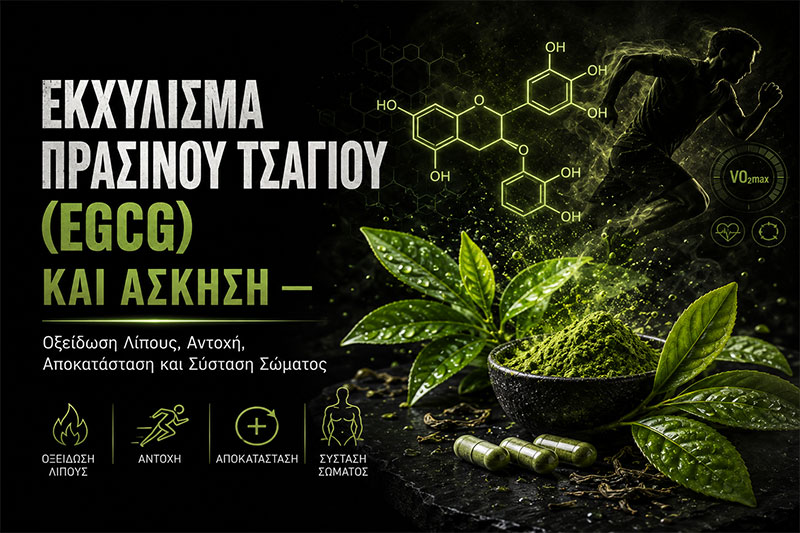
Green tea extract contains catechins, particularly EGCG (Epigallocatechin Gallate), which may modestly increase energy expenditure and fat oxidation, especially when combined with caffeine.
L-Carnitine
L-Carnitine plays an important role in transporting fatty acids into the mitochondria for energy production.
Although it is essential for fat metabolism, current evidence suggests that supplementation provides only limited weight-loss benefits in healthy individuals.
Capsaicin
Capsaicin, the active compound found in chili peppers, may slightly increase thermogenesis and promote feelings of fullness.
Conjugated Linoleic Acid (CLA)
Scientific findings regarding CLA are mixed. Some studies report small improvements in body composition, while others find minimal or no significant effects.
When Should You Take Fat Burners?
Most fat burners are typically taken:
- 20–30 minutes before exercise.
- In the morning or early afternoon.
Products containing caffeine should generally be avoided late in the day, as they may interfere with sleep quality.
Are Fat Burners Safe?
For healthy adults, fat burners are generally considered safe when used according to the manufacturer's instructions.
However, individuals with:
- High blood pressure
- Cardiovascular disease
- Cardiac arrhythmias
- Caffeine sensitivity
- Pregnancy or breastfeeding
should consult a qualified healthcare professional before using these supplements.
Common Myths
❌ Fat burners melt fat without diet or exercise.
False. A calorie deficit remains essential for fat loss.
❌ Taking more will produce faster results.
Higher doses do not necessarily improve effectiveness and may increase the risk of side effects.
❌ You don't need a healthy diet.
No supplement can replace proper nutrition and consistent physical activity.
Conclusion
Fat burners can be a useful addition to a structured weight-loss program that includes proper nutrition and regular exercise.
Choosing a high-quality supplement with scientifically supported ingredients may help improve energy, training performance, and fat metabolism. However, long-term success depends primarily on maintaining healthy eating habits, consistent physical activity, and realistic expectations.
References
- Guest NS, VanDusseldorp TA, Nelson MT, et al. International Society of Sports Nutrition Position Stand: Caffeine and Exercise Performance. Journal of the International Society of Sports Nutrition. January 2, 2021.
- Office of Dietary Supplements, National Institutes of Health (NIH). Dietary Supplements for Weight Loss – Fact Sheet for Health Professionals. Updated December 18, 2024.
- European Food Safety Authority (EFSA). Scientific Opinion on the Safety of Green Tea Catechins. April 18, 2018.
- Institute of Medicine. Dietary Supplements for Weight Loss. National Academies Press. 2004.