


 0
0




Rhodiola rosea: Fatigue, Stress and Athletic Performance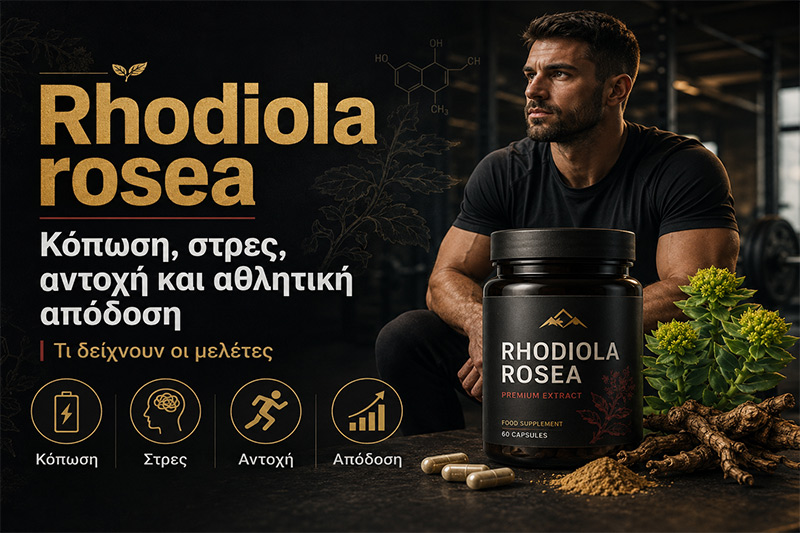
What is Rhodiola rosea?Rhodiola rosea, also known as golden root, is a plant traditionally used for fatigue and exhaustion associated with stress. EMA recognises its traditional use for the temporary relief of stress symptoms such as fatigue and exhaustion. This classification is based on long-standing use rather than conclusive clinical evidence. Rhodiola products are commonly included in stress-support supplements. Fatigue and stressSome trials report improvements in perceived fatigue, concentration and stress-related symptoms. However, many studies are small and use different extracts. NCCIH states that there is not enough reliable evidence to determine whether Rhodiola is useful for any health-related purpose. It should not replace medical assessment for persistent fatigue, anxiety or depression. Endurance and sports performanceA 2025 meta-analysis of 26 randomized trials found small improvements in VO₂max, time to exhaustion and time-trial performance. Differences between studies were substantial, so the average result may not apply to every athlete or product. Earlier reviews also reported possible benefits for endurance and exercise-related muscle-damage markers, but results were inconsistent across tests and sports. Rhodiola may therefore provide modest support for selected endurance outcomes, but it is not a guaranteed ergogenic aid. Strength and concentrationShort resistance-training studies have reported improvements in selected outcomes such as bar velocity or repetitions. Evidence does not show reliable long-term increases in strength or muscle mass. There are also preliminary findings for attention during fatigue or stress, but Rhodiola is not an established memory or cognitive treatment. Products in the energy category cannot compensate for inadequate sleep, calories or carbohydrate intake. Dosage and timingStress and fatigue trials commonly use approximately 200–400 mg of standardized extract per day. Sports studies use widely different amounts, including substantially higher doses. Products should be compared according to extract ratio and rosavin or salidroside standardisation, not milligrams alone. Rhodiola is often taken in the morning or before exercise. Taking it late in the day may be unsuitable for users who experience insomnia. SafetyRhodiola is possibly safe for up to 12 weeks. Side effects can include dizziness, headache, insomnia, dry mouth or excessive saliva production. An interaction with losartan has been reported, and safety during pregnancy or breastfeeding is uncertain. Professional guidance is appropriate for people using psychiatric or blood-pressure medication and for those with bipolar disorder or a history of mania. ConclusionRhodiola rosea has promising evidence for temporary stress-related fatigue and modest improvements in selected endurance outcomes. Evidence for strength, muscle growth and long-term performance remains limited. Product standardisation, dosage and medical history should be considered before use. References
|

Best supplements store
CHOOSE CATEGORY
CATEGORIES










(c) katerelosfitness.gr - All rights reserved - By: Hyper Center -